Bioprinting research
STS bioprinting of GelMA hydrogels: pre-gelling before vat photopolymerization
How physical pre-gelling changes the printing window, resolution and mechanics of low-concentration GelMA hydrogels—and where the evidence stops.
Localized technical adaptation of an authorized source article. Original figures are preserved; disputed numerical claims are not repeated as verified facts. Preclinical research only.
Vat photopolymerization (VPP), including DLP and SLA, can reproduce fine hydrogel features, but low polymer concentration makes shape retention difficult. A 2026 study introduced solid-to-solid (STS) bioprinting: a GelMA-based ink is physically pre-gelled at 4 °C before light exposure. Chain entanglement creates a pre-organized state that accelerates curing and broadens the printing window. This article reviews the demonstrated mechanism, printing tests and tissue-engineering models without treating laboratory results as medical approval or KUNWU equipment specifications.
1. The concentration–printability trade-off
Soft native extracellular matrices contain relatively little structural protein. Conventional low-concentration GelMA precursors can spread before sufficient covalent crosslinking occurs, whereas a denser network may restrict cell spreading and migration. The useful biofabrication window is therefore a balance among shape fidelity, transport and cell-compatible mechanics—not a single universal concentration.
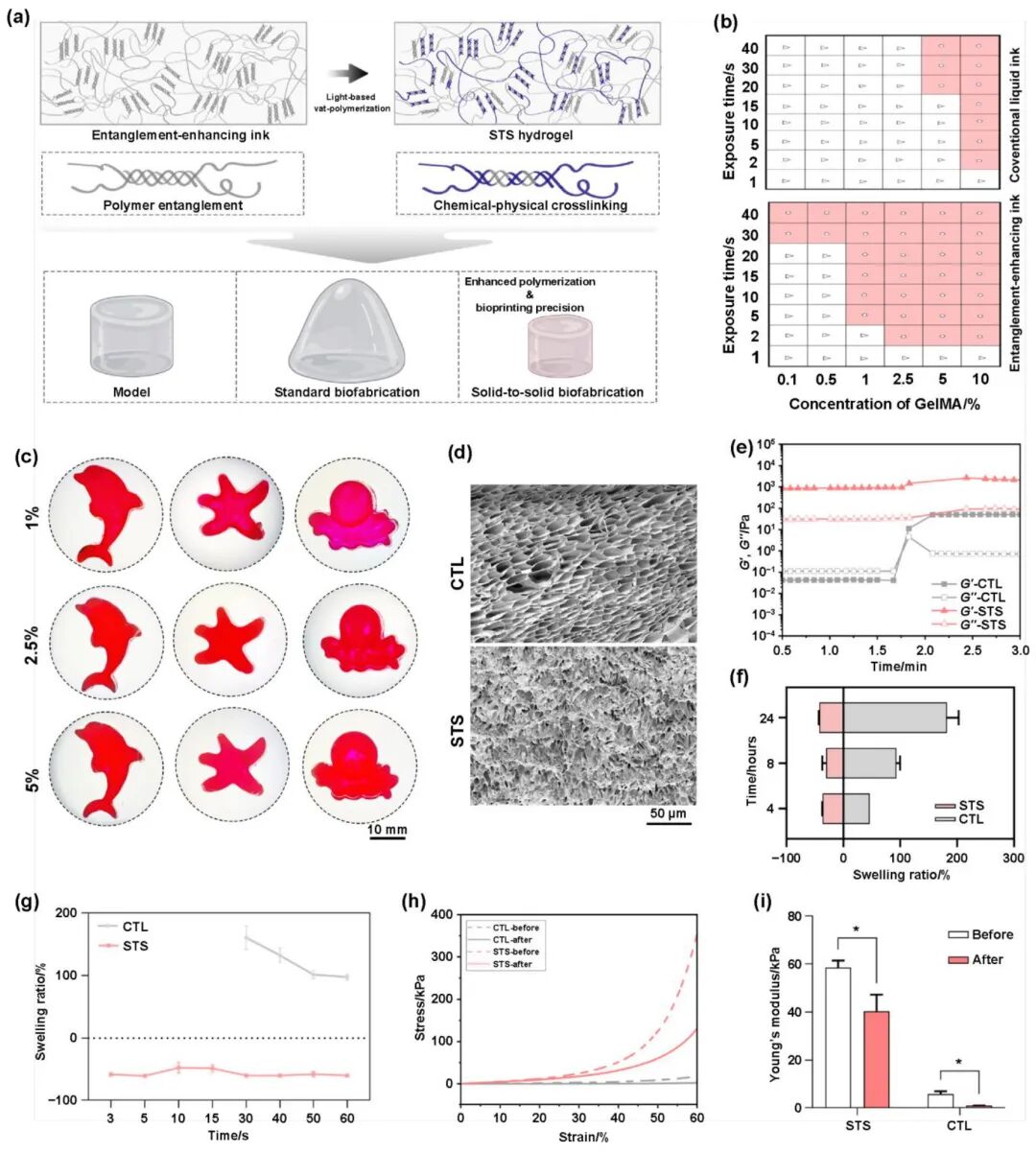
The study changed the material state rather than simply increasing polymer content. GelMA ink containing gelatin and LAP photoinitiator was placed in a mould and held at 4 °C for ten minutes. A 37 °C liquid precursor served as the main comparison. The authors also tested related thermogelling collagen-derived systems, so the concept is broader than one formulation but is not yet established for every bioink.
2. What the pre-organized ink changes
Cooling creates a physical network before illumination. Light then adds covalent crosslinks while part of the physical entanglement remains, producing a combined physical–chemical network. The source figures show a wider formation window and more coherent printed shapes at low GelMA content under the tested conditions. Because gelatin is intentionally present, the result should not be described as additive-free.
Figure 1 compares the STS concept, concentration/exposure window, printed patterns, microstructure, rheological response, swelling and compression. One important editorial point is that the reposted narrative and its figure do not present the double-bond conversion value in the same way. We therefore retain the original figure and avoid repeating the disputed percentage as a verified result.
3. Resolution, exposure and dense cell loading
Radial test patterns were used to compare feature retention. Under the reported settings, pre-gelled ink produced a coherent radial structure with shorter exposure than the liquid control. The authors attribute this to physical anchoring that limits swelling and lateral loss of detail. Exposure time and intensity still interact; pre-gelling does not remove the need to establish a material-specific process window.
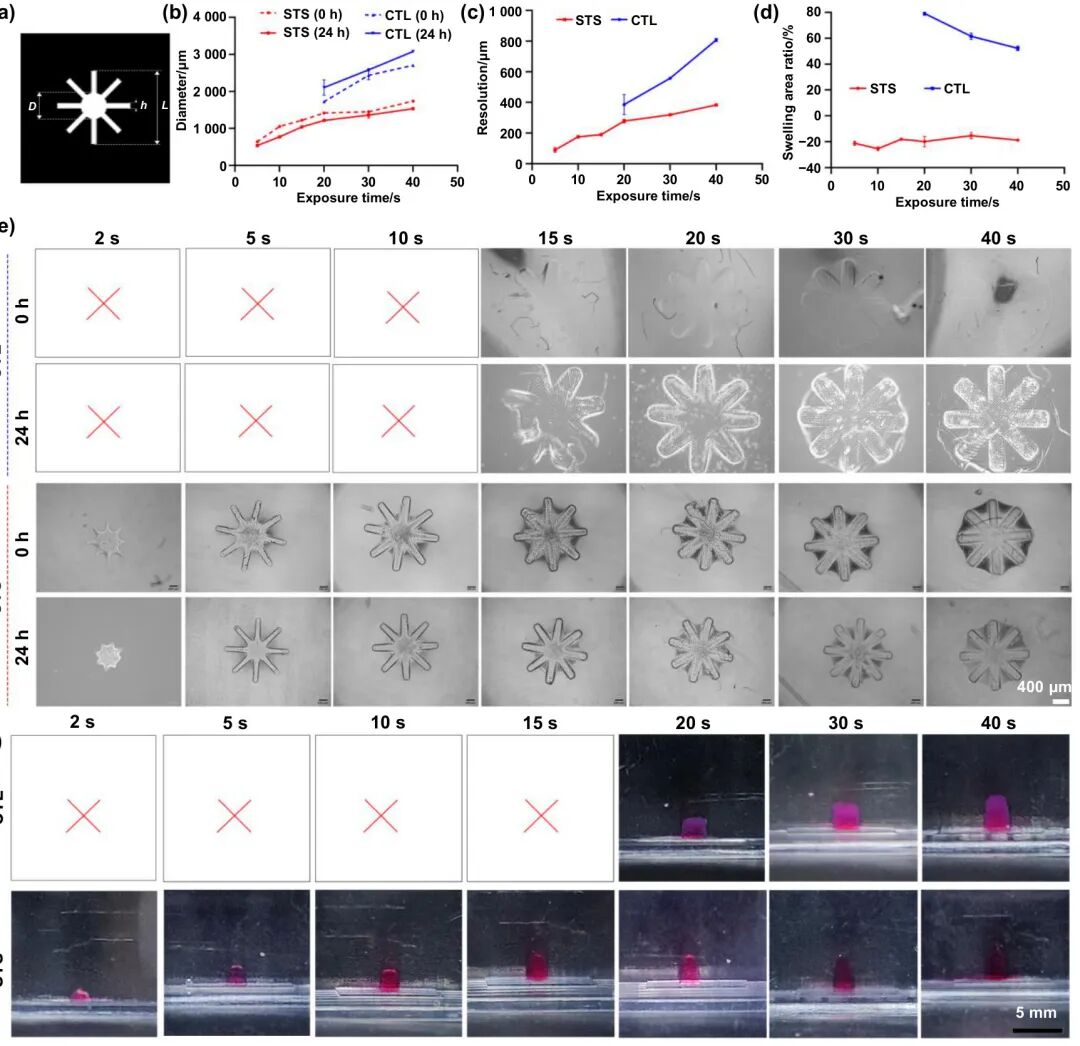
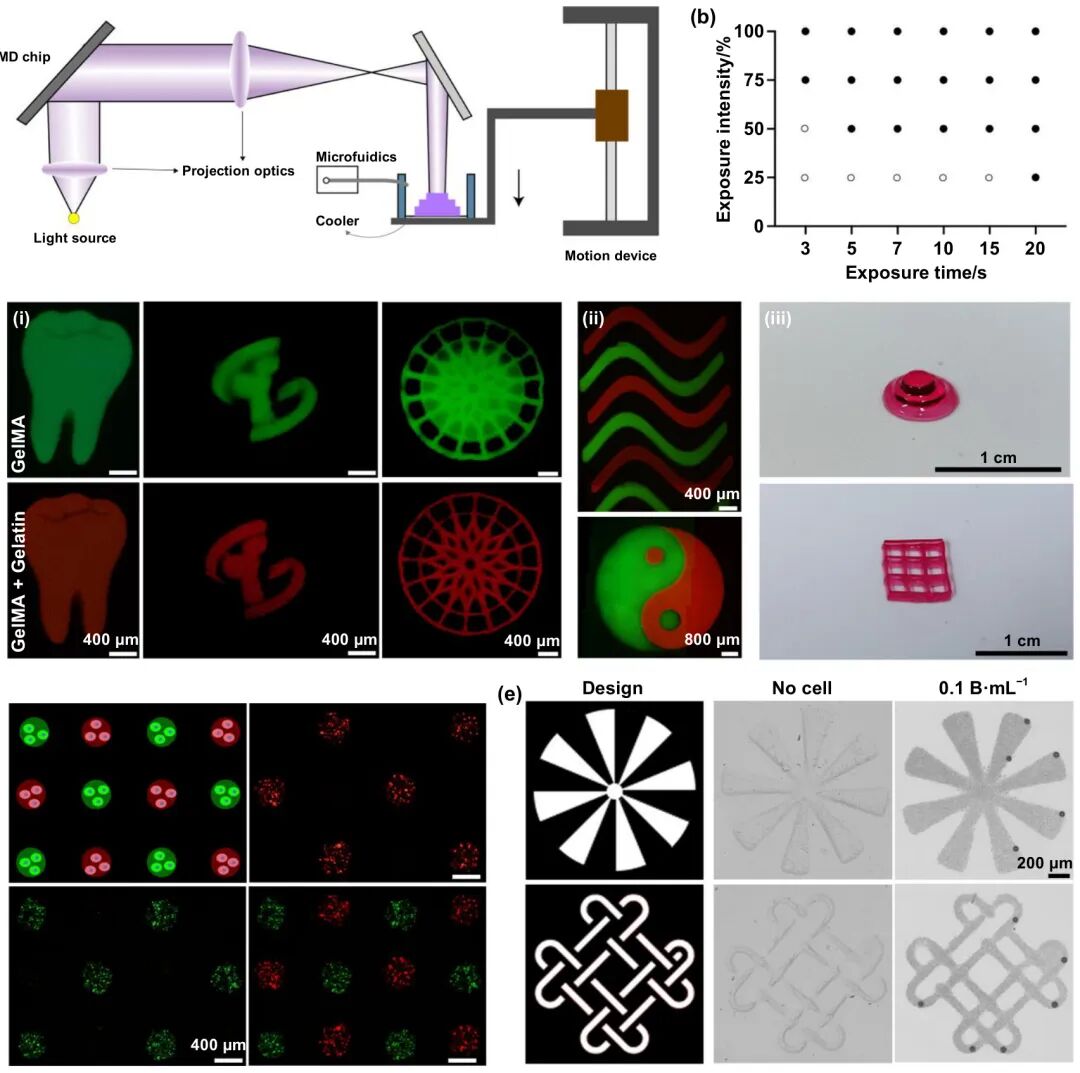
The work also tested high cell loading and reported similar spoke-pattern resolution with and without cells in the selected formulation. A sequential wash-and-refill approach enabled multi-material 2D patterns, a three-layer grid and spatially separated cell regions. These demonstrations show process versatility; they do not establish long-term function or clinical manufacturing readiness.
4. Mechanism and mechanical response
Molecular-dynamics results indicate stronger local chain association at 4 °C. The proposed mechanism is molecular crowding: reactive groups are held closer together before illumination, reducing the distance required for network formation. Rheology, magnetic-resonance measurements and radical detection support faster network development, while swelling and compression tests show that the resulting hydrogel behaves differently from the liquid-precursor control.
The physical links act as reversible, energy-dissipating bonds alongside the covalent network. Cyclic compression and stress-relaxation results are consistent with a viscoelastic dual-network response. The often-quoted stiffness increase depends on the exact test group and state shown in the figures, so this article describes the reinforcement qualitatively rather than presenting one multiplier as a universal property.
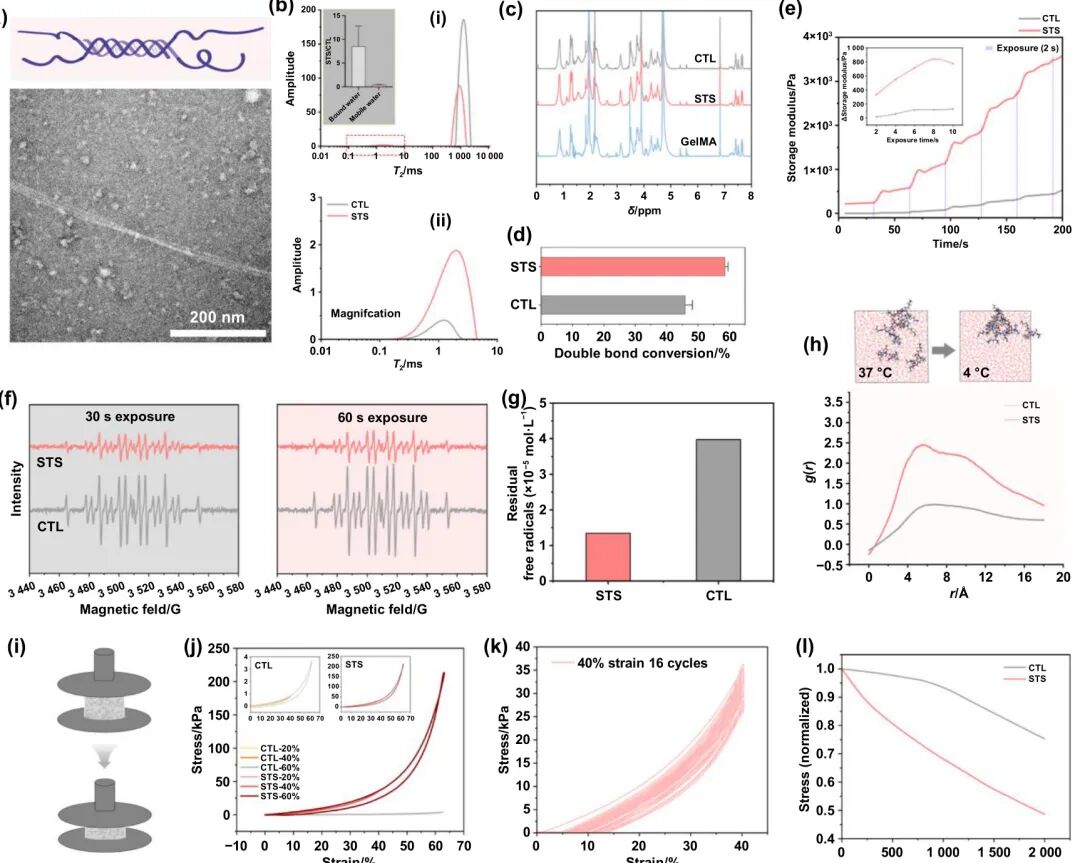
Table 1. Qualitative comparison under the reported test conditions
| Aspect | Pre-gelled STS ink | Liquid control |
|---|---|---|
| Initial state | Physical gel before exposure | Liquid before exposure |
| Network after light | Physical + covalent links | Mainly covalent network |
| Observed tendency | Faster shape fixation and lower swelling | Slower fixation and greater swelling |
5. Cell response and short-term implantation
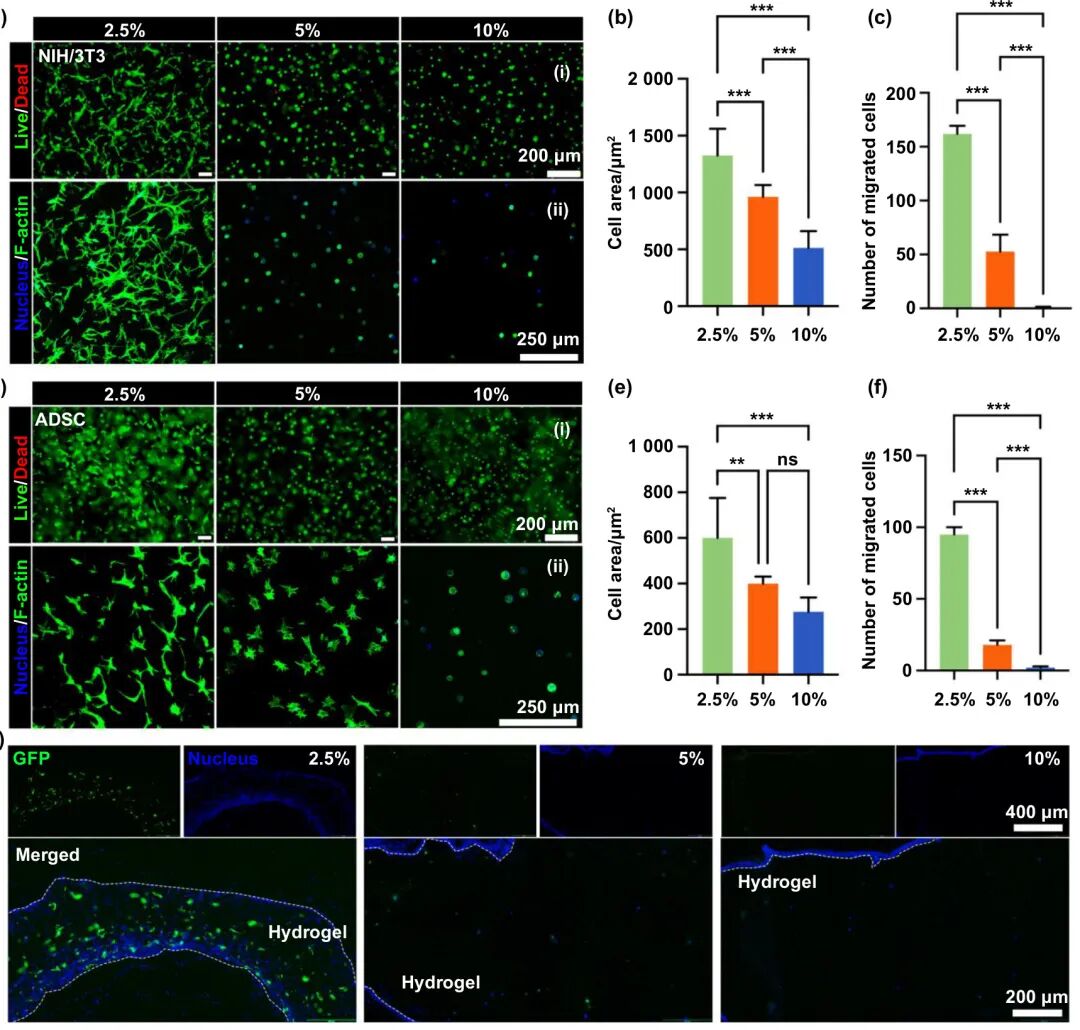
Fibroblasts and adipose-derived mesenchymal stem cells were evaluated with viability and cytoskeletal staining. Within the tested set, lower GelMA concentration allowed more spreading and migration than denser gels. This is a formulation-specific observation; polymer concentration is only one of many variables affecting cell behaviour.
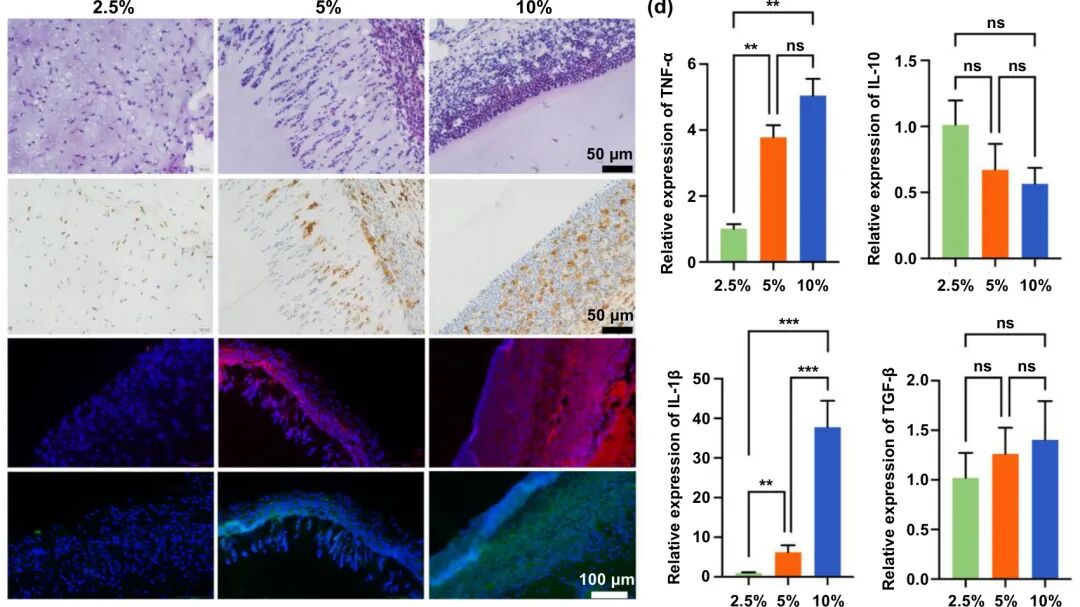
Subcutaneous mouse implants were examined after fourteen days using histology, macrophage markers and cytokine expression. Lower-concentration constructs showed a different inflammatory and infiltration profile from denser constructs. The experiment is short term and animal based; it cannot support claims of human safety, therapeutic efficacy or regulatory approval.
6. Three tissue-engineering demonstrations
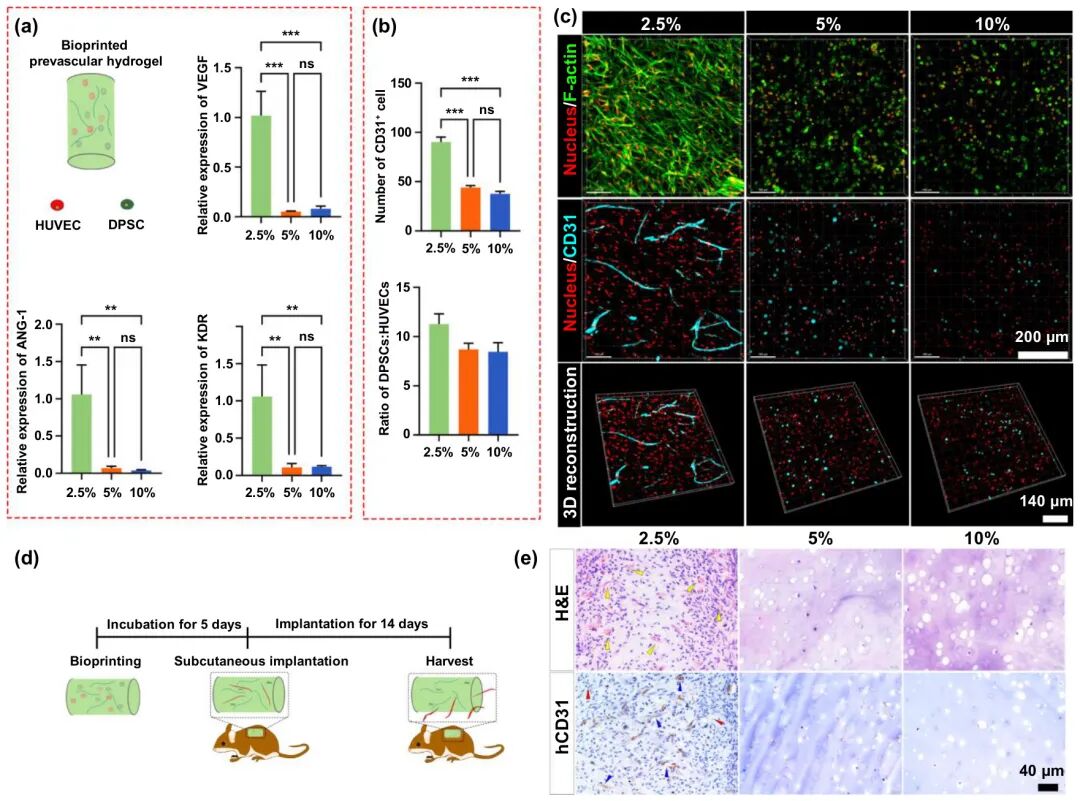
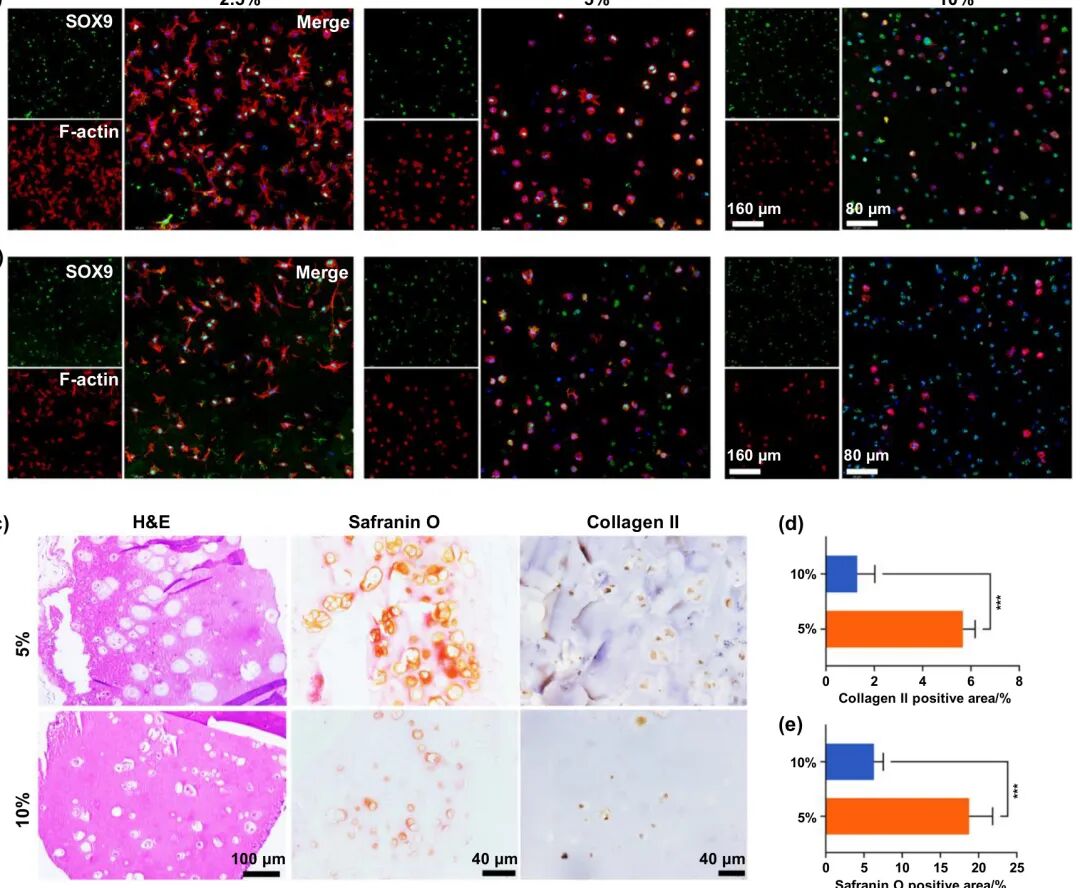
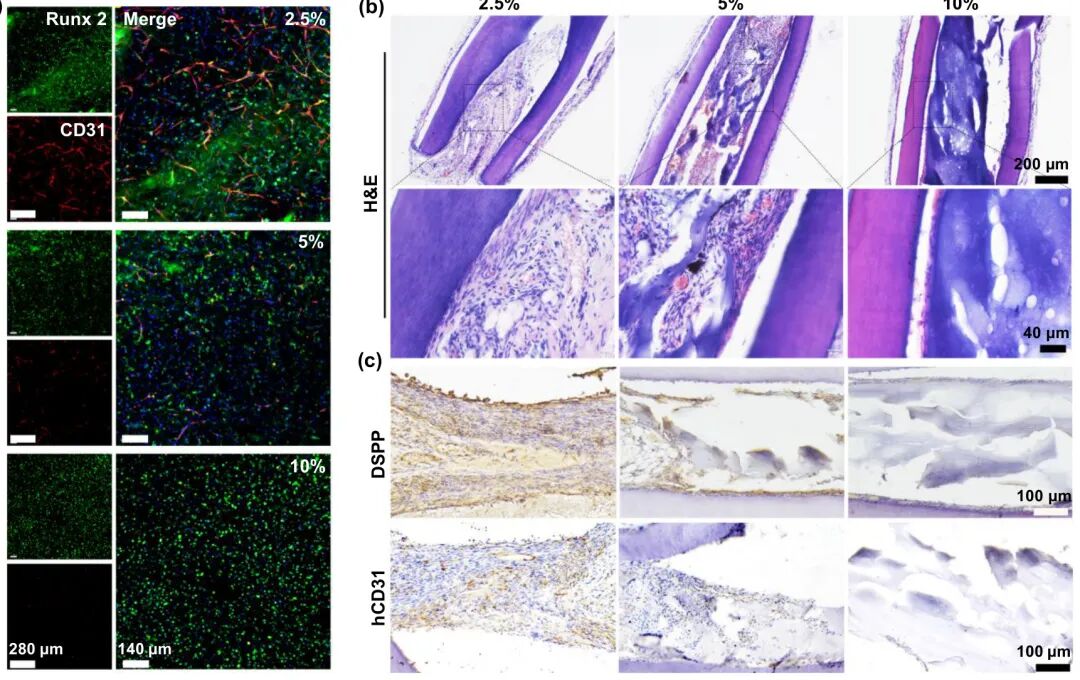
The authors used the platform for prevascularized constructs, cartilage-like tissue and a dental-pulp/dentin model. Different applications favoured different GelMA concentrations: a soft, rapidly remodelled matrix was useful for vascular and dental-pulp organization, while the cartilage model required a stronger balance between structural persistence and matrix transport.
Table 2. Models and reported observations
| Model | Main readout | Interpretation limit |
|---|---|---|
| Prevascularization | Endothelial networks and host perfusion indicators | Short-term animal model |
| Cartilage | Matrix staining and chondrogenic markers | Construct model, not joint repair |
| Dental pulp | Vascular and odontogenic organization in dentin matrix | Preclinical ectopic model |
7. Engineering relevance and boundaries
The transferable lesson is to control the precursor state before exposure. Pre-organization can change local reactive-group density, flow resistance and shrinkage without relying only on bulk polymer concentration. For bioprinting, this can expand the feasible window when temperature control and formulation chemistry are compatible.
This idea is not direct evidence for a ceramic slurry process. Ceramic loading, particle interactions, light scattering, green strength, debinding and sintering shrinkage must be validated as a complete chain. Temperature-responsive binders may be useful in some ceramic formulations, but the STS hydrogel results cannot be transferred as performance claims. The study remains preclinical, and long-term degradation, immune response and scale-up need further evidence.
Sources
Original paper · DOI
Tao J, He Y, Liao X, et al. Entanglement-enhancing inks enable rapid vat-photopolymerization 3D bioprinting of physically robust hydrogel constructs. International Journal of Extreme Manufacturing. 2026. DOI: 10.1088/2631-7990/aea52a.