Research horizon
DLP-formed copper–diamond green parts
The study demonstrates composite shaping before sintering; final thermal and mechanical properties cannot be inferred from green-part quality.
This KUNWU editorial note is based on the supplied technical source. Reported results belong to the described study or sample and are not KUNWU equipment specifications.
Copper diamond composite materials are currently the hottest electronic packaging heat dissipation solution. The thermal conductivity of diamond is as high as 2000W/m·K. After diamond particles are embedded in the copper matrix, the thermal conductivity of the composite material can reach 600-800W/m·K, which is 3-4 times that of pure copper, and the cost is much lower than that of pure diamond. It is rapidly replacing pure copper and aluminum silicon carbide in scenarios such as AI chips, consumer electronics packaging, and power module cold plates.
3D printing is a key process for copper-diamond to move towards complex structural heat dissipation parts. Currently, there are multiple shaping paths in the industry that are being advanced in parallel, each path adapting to different application scenarios. We recently conducted a round of systematic experiments in the direction of DLP (Digital Light Processing) light curing: we used DLP to punch out copper diamond, and the accuracy and structural quality met expectations.
Why copper–diamond is difficult to print
Copper diamond is a metal + superhard ceramic two-phase powder system. There are several recognized difficulties in slurry preparation and printing forming:
First, the optical behavior is very different. Copper powder has strong reflection and weak UV absorption, while diamond powder has dark color and strong UV absorption. The two powders have completely different reactions to the same set of exposure parameters, and the curing depth is difficult to unify.
Second, there is the challenge of slurry stability. Copper powder has high density (~8.9 g/cm³) and is easy to settle; diamond particles have high hardness and irregular shape, which can easily damage the scraper and accelerate settlement.
Third, the sintering window is narrow. Diamond is easily graphitized at high temperatures (>1000°C), and its thermal conductivity drops dramatically. It is extremely sensitive to the sintering atmosphere, heating rate, and holding time (the sample displayed this time has not yet been sintered and is in a green state).
The demonstrated process
For the preparation of the slurry, we adjusted the refractive index of the photosensitive resin system to make the optical absorption behavior of copper powder and diamond powder in the slurry converge; we introduced a suitable dispersant to suppress the sedimentation of the copper powder and ensure the uniform dispersion of the diamond particles. The solid content should be kept at a high level to leave room for subsequent sintering densification.
Regarding the process parameters, we specifically adjusted the layer thickness, exposure time, and number of bottom exposure layers for the copper diamond slurry. Each exposure should allow light to penetrate the slurry layer to fully solidify the bottom, while not overexposing the details of the crystal lattice.
For structural design, this experiment covers several typical complex lattice structures such as Gyroid spiral lattice and TPMS variants. The diameter of the sample is about 6mm, matching the size of the radiator.
Printing results
The following are some of the samples from this experiment, all of which are in the state of life after printing (unburned):
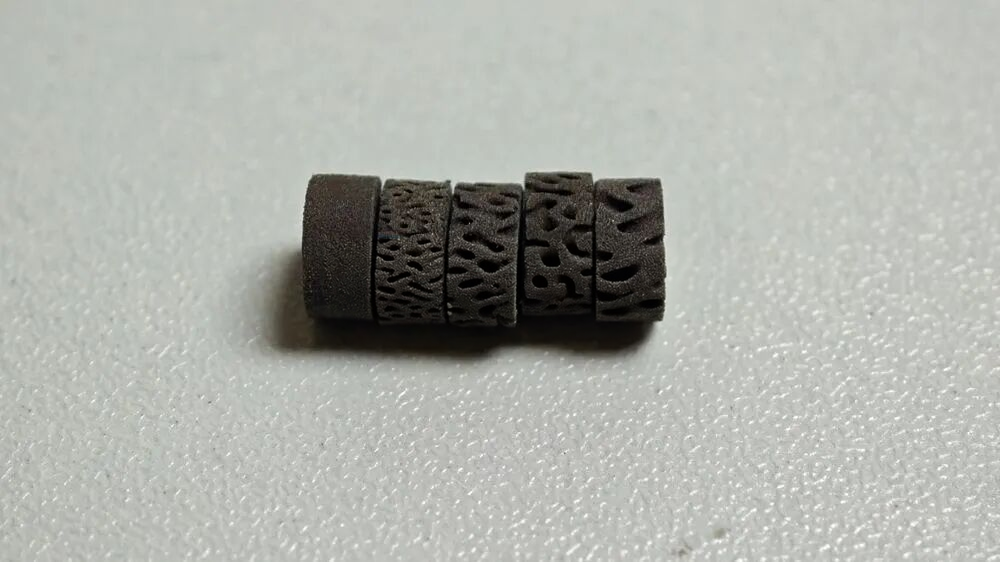
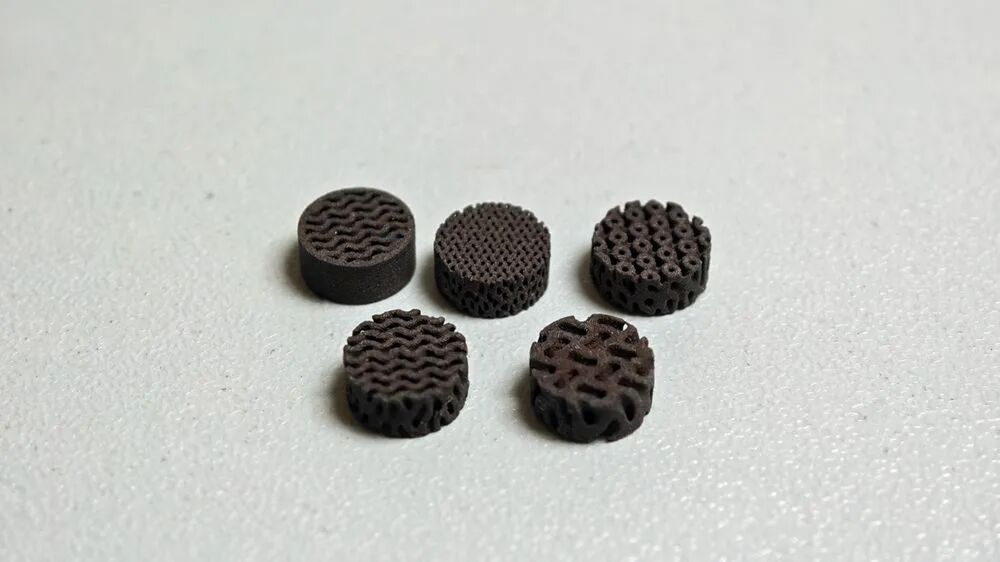
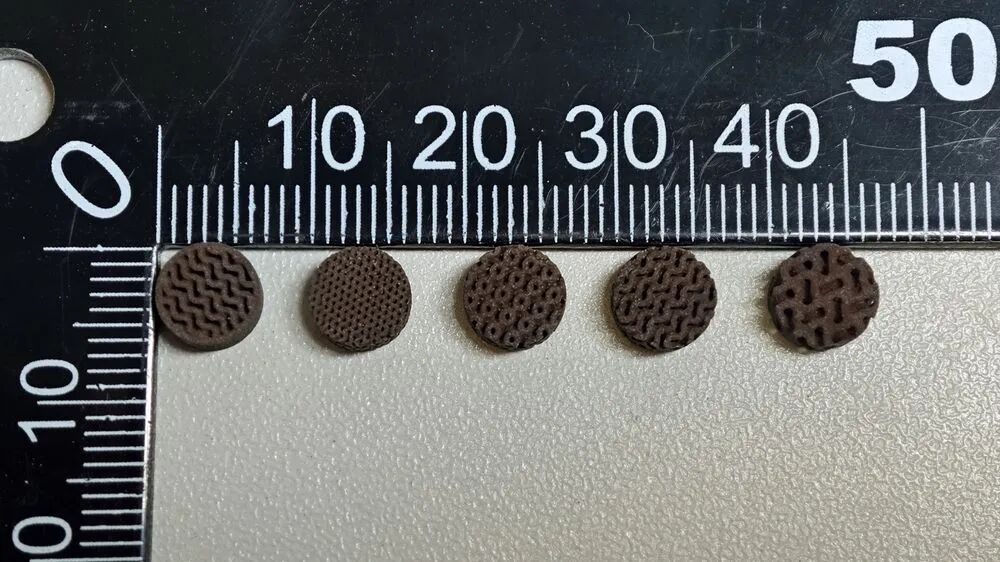
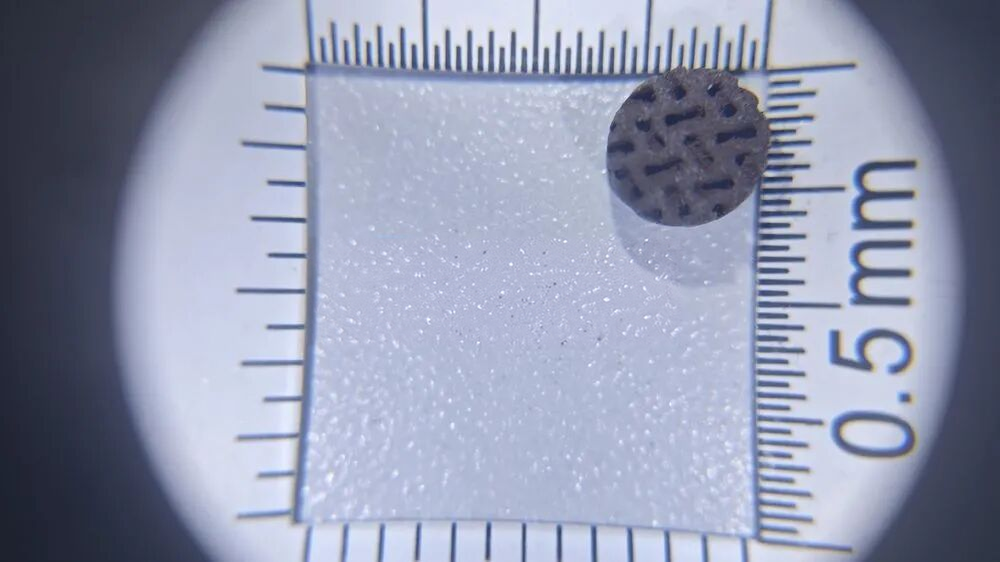
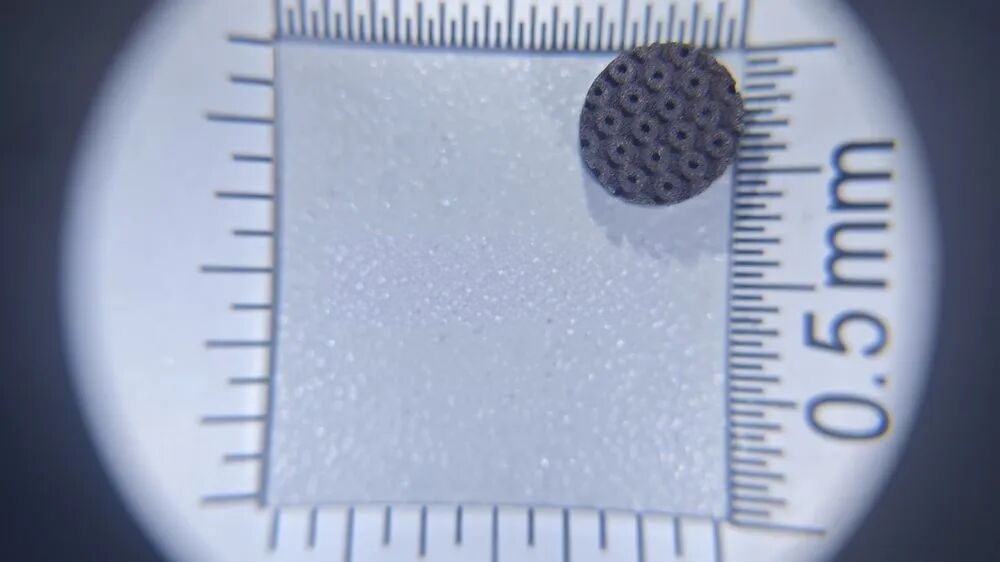
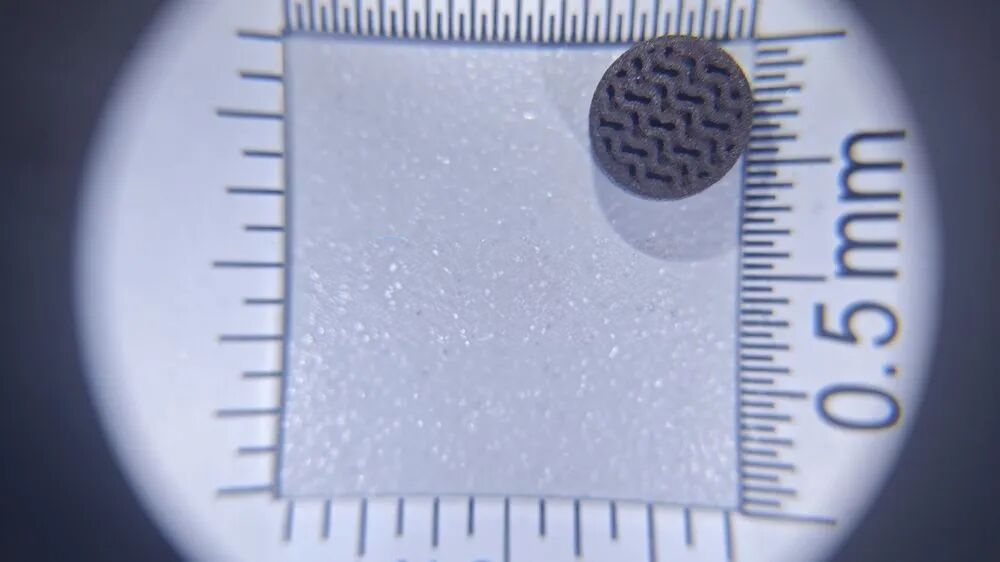
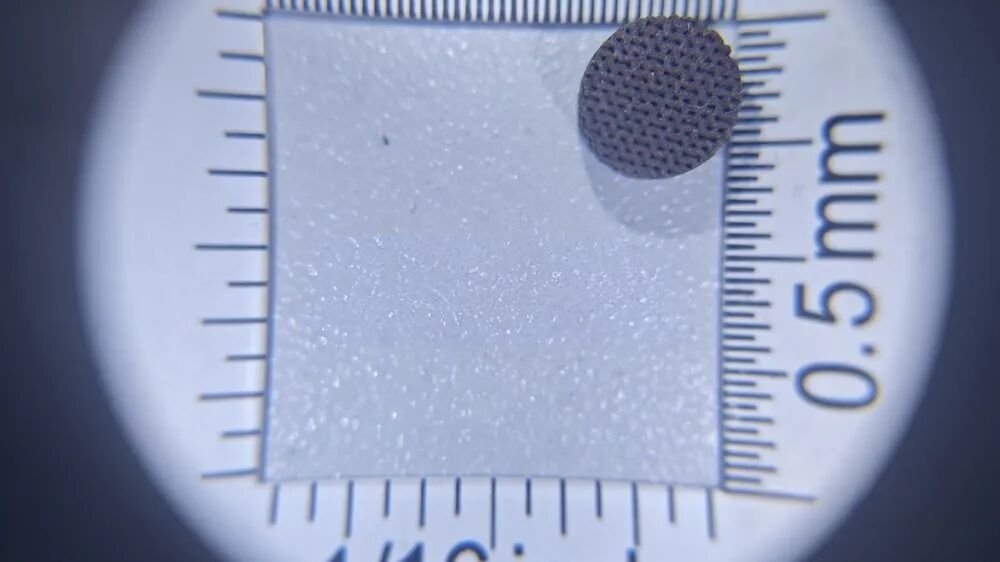
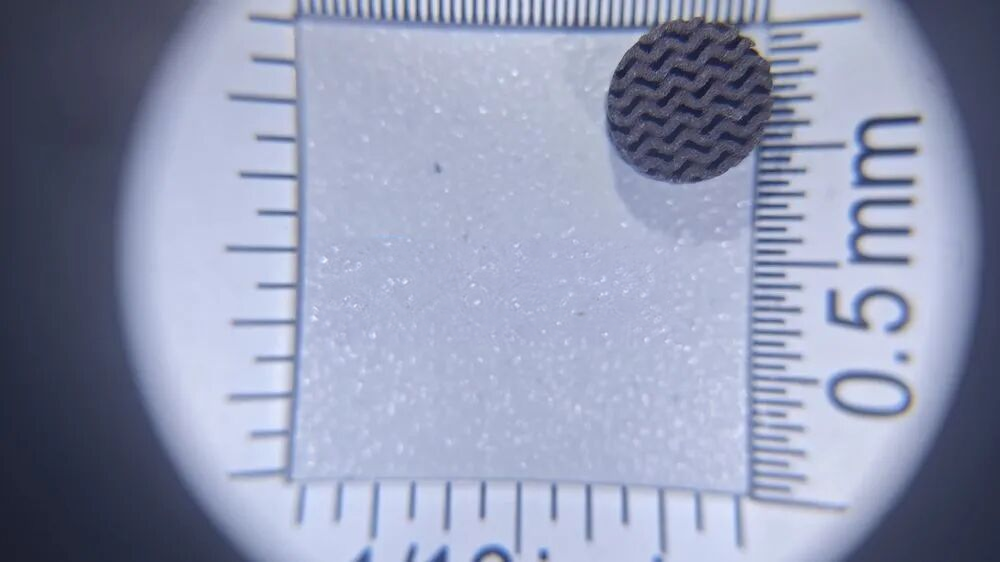
Several results can be seen intuitively from the figure:
High shape fidelity. The curved surface transition of the Gyroid and the vertical straight beams of the wood pile structure are completely reproduced, without the "rounding" and blurring of details that are common in light curing.
There's a hole in the inside. All crystallized internal channels are fully connected, with no holes or holes — a basic prerequisite for subsequent dispersive applications.
Good surface finish. The surface of the green body is smooth and grainy, and the edges of the disc and the edges of the crystal lattice are ideal.
Next development steps
The experiment tested the feasibility of DLP copper diamonds, leaving behind the sinter process optimization and performance indicators:
In terms of sintering, the core is to solve the problem of diamond graphitization - which requires precise control of the sintering atmosphere (vacuum or inert gas), heating rate and holding time.
In terms of performance, the sintered samples need to measure core indicators such as actual thermal conductivity (target ≥600 W/m·K), thermal expansion coefficient, flexural strength, etc., and gradually enlarge the printing size to the size of the real radiator.