DLP printing: ceramics, metals and polymers
An overview of equipment and samples in different materials. Metal slurries follow a printing, debinding and sintering route; compatibility depends on the specific configuration.
0:23
Process & videos
Every stage affects geometry and performance, so we engineer the complete route rather than printing alone.
END-TO-END PROCESS
Every stage affects geometry and performance, so we engineer the complete route rather than printing alone.
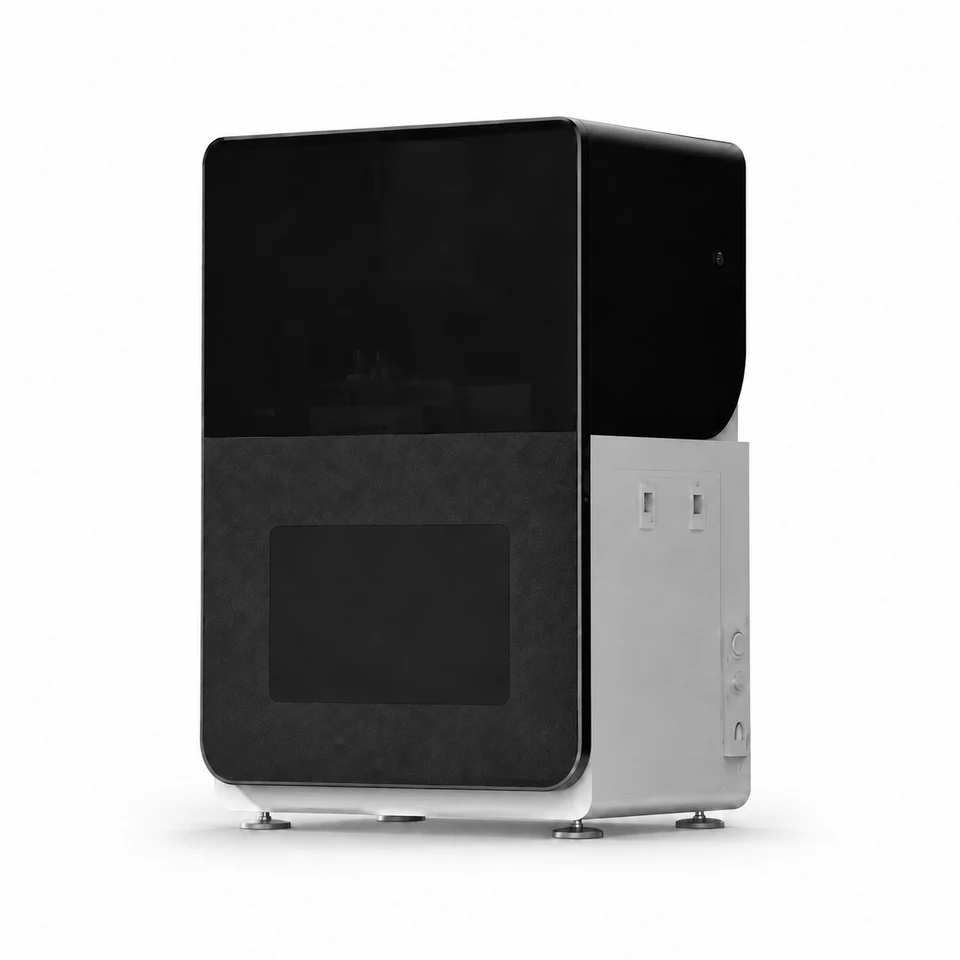
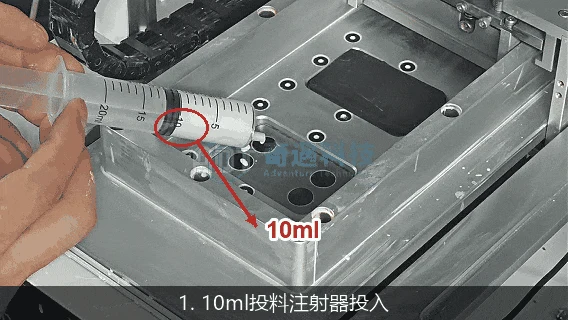
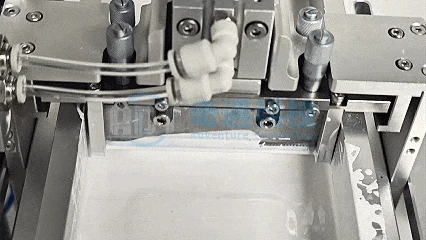
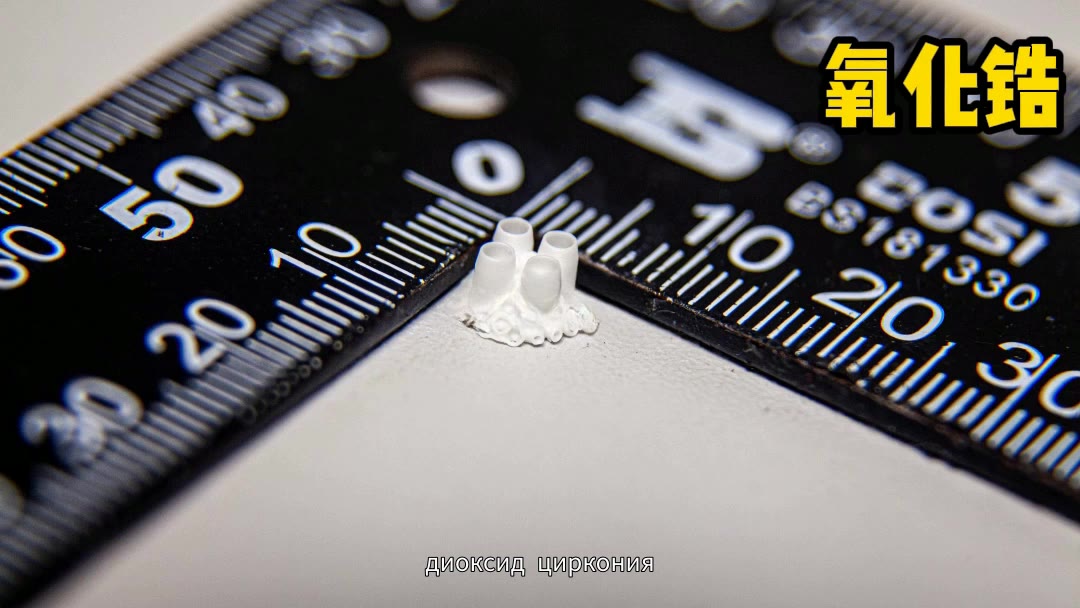
These images come from the supplied catalog, the DD50 launch demonstration and the supplied videos. Source markings are retained in the original demonstration frames. The steps describe a typical ceramic VPP route; cleaning and thermal schedules are validated for the material.
Review geometry, wall thickness, channels and the acceptance criteria for the finished part.
Validate powder loading and curing, orient the part and compensate for measured sintering shrinkage.
Spread a fresh layer and expose it through DLP. A ceramic-filled green body is formed.
Remove residual slurry using a compatible method; protect fine features and internal channels.
Remove the organic binder with a validated thermal cycle, then densify the ceramic by sintering.
Measure final dimensions and check density, defects and application-specific performance.
PROCESS & SAMPLES
From the printing process to finished geometries: explore examples of materials and porous structures.
An overview of equipment and samples in different materials. Metal slurries follow a printing, debinding and sintering route; compatibility depends on the specific configuration.
Printing-process footage and examples of porous HAP samples with complex geometries. A demonstration for materials research and structural development.
KUNWU / PROJECT REVIEW
Send a model or describe the requirements. An engineer will prepare the technical review questions.