Process engineering
DIW: material, rheology and performance
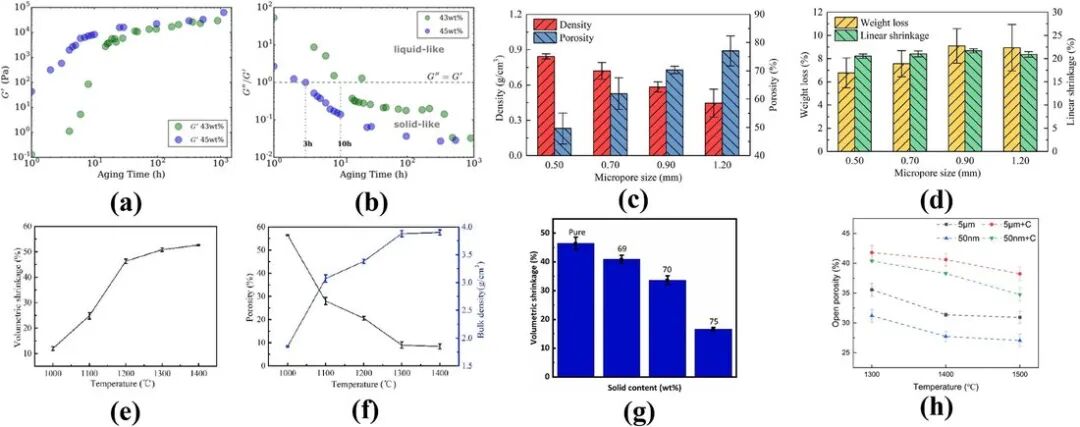
The overview links paste preparation, extrusion, filament stability, drying and thermal processing into one direct-ink-writing process map.
This KUNWU editorial note is based on the supplied technical source. Reported results belong to the described study or sample and are not KUNWU equipment specifications.
Direct ink writing (DIW), as an additive manufacturing technology with low cost, high flexibility and wide material adaptability, has shown great application potential in the fields of ceramics, polymers, composite materials, biomedical materials and other fields in recent years. Compared with other ceramic 3D printing technologies, DIW has unique advantages: it can use high-solid-content ceramic slurries, requires a very small amount of binder, can prepare high-density sintered bodies, is suitable for fine powders <10 μm, has low equipment costs, and has a wide process window.
The 22-page review published by the Indian Institute of Technology team in Progress in Engineering Science systematically combed the material system, rheological design criteria, printing parameter control, mechanical performance characterization and future development directions of DIW technology, and established a complete knowledge framework of material composition-rheological properties-printing performance-mechanical performance, providing systematic guidance for material development and process optimization of DIW technology.
DIW: role and advantages
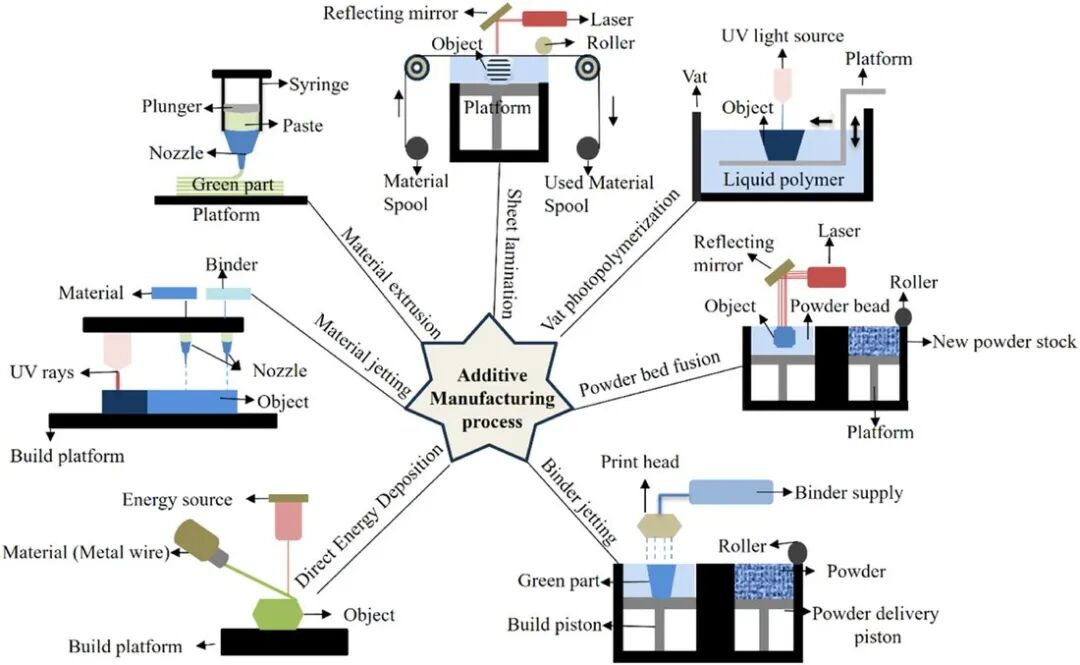
Advantages over other ceramic AM processes
Binder jetting (BJ) and powder bed fusion (PBF) have difficulty processing fine powders <10 μm, resulting in rough surfaces, high porosity, and low sintering density. Light curing (VPP) requires the ceramic powder to be transparent to the light source, severely limiting material selection. DIW uses high solid content ceramic slurry and low binder content, which can prepare high-density sintered bodies without special requirements for powder particle size and optical properties.
DIW process characteristics
DIW extrudes high-viscosity slurry through a nozzle and accumulates it layer by layer. The slurry undergoes shear thinning in the nozzle (the viscosity decreases to facilitate extrusion). After deposition, the viscosity recovers and the yield stress maintains the shape. This triple characteristic of shear thinning-yield stress-structural recovery is the core of DIW slurry design.
Application areas
DIW has been widely used in biomedicine (bone scaffolds, tissue engineering), optical devices, electronic insulation, wastewater treatment, refractory materials and other fields. Recent research has further expanded to piezoelectric energy harvesting and electrochemical energy storage devices. By precisely controlling the porous structure and active material loading, excellent performance such as an output voltage of 33.2V and a beta phase content of 86.15% have been achieved.
Materials in a DIW ink
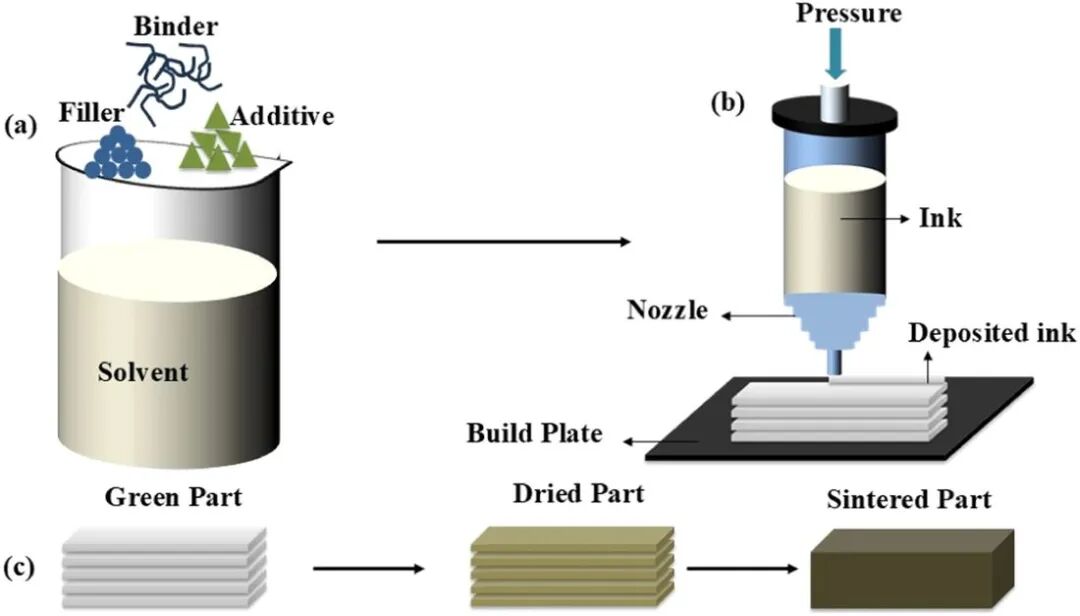
Fillers
Fillers are the bulk material of the final product and include:
- Ceramic fillers: alumina, zirconia, silicon carbide and hydroxyapatite; typical particle sizes 0.1–10 μm.
- Metal powders: iron, steel, copper and titanium for metal–ceramic composites.
- Carbon fillers: graphene, carbon nanotubes and carbon black for conductive composites.
- Biopolymers: gelatin, sodium alginate and chitosan for biological scaffolds.
The particle size, morphology, and specific surface area of the filler directly affect the rheology and sintering behavior of the slurry. Spherical particles have good fluidity and high packing density, but flaky and fibrous fillers can give composite materials anisotropic properties.
Binders
Binders provide the plasticity and shape-retaining capabilities of the slurry and include:
- Water-soluble binders: methylcellulose, hydroxypropyl methylcellulose (HPMC) and polyvinyl alcohol (PVA).
- Organic-solvent binders: polyvinyl butyral (PVB) and ethylcellulose.
- Photocurable binders: acrylates and UV-curable epoxy formulations.
The binder content is usually 2-10% of the solid weight. If it is too high, degreasing will be difficult and residual carbon contamination will occur. If it is too low, the strength will be insufficient and the shape retention will be poor.
Additives
Additives control the dispersion, stability and curing behavior of slurry:
- Dispersants reduce agglomeration and enable higher solids loading; examples include ammonium polyacrylate (PAA-NH₄) and Darvan 811.
- Rheology modifiers adjust viscosity and yield stress, including temperature-sensitive Pluronic F-127 and carbomer.
- Curing additives initiate light or heat curing; Irgacure 819 is an example of a photoinitiator.
Solvents
Solvents adjust slurry viscosity and volatility:
- Water is inexpensive and environmentally favorable, but drying shrinkage and cracking can be significant.
- Ethanol evaporates rapidly and shortens drying time, supporting rapid solidification.
- Toluene dissolves suitable organic polymers well but requires appropriate safety precautions.
Rheological design rules for DIW inks
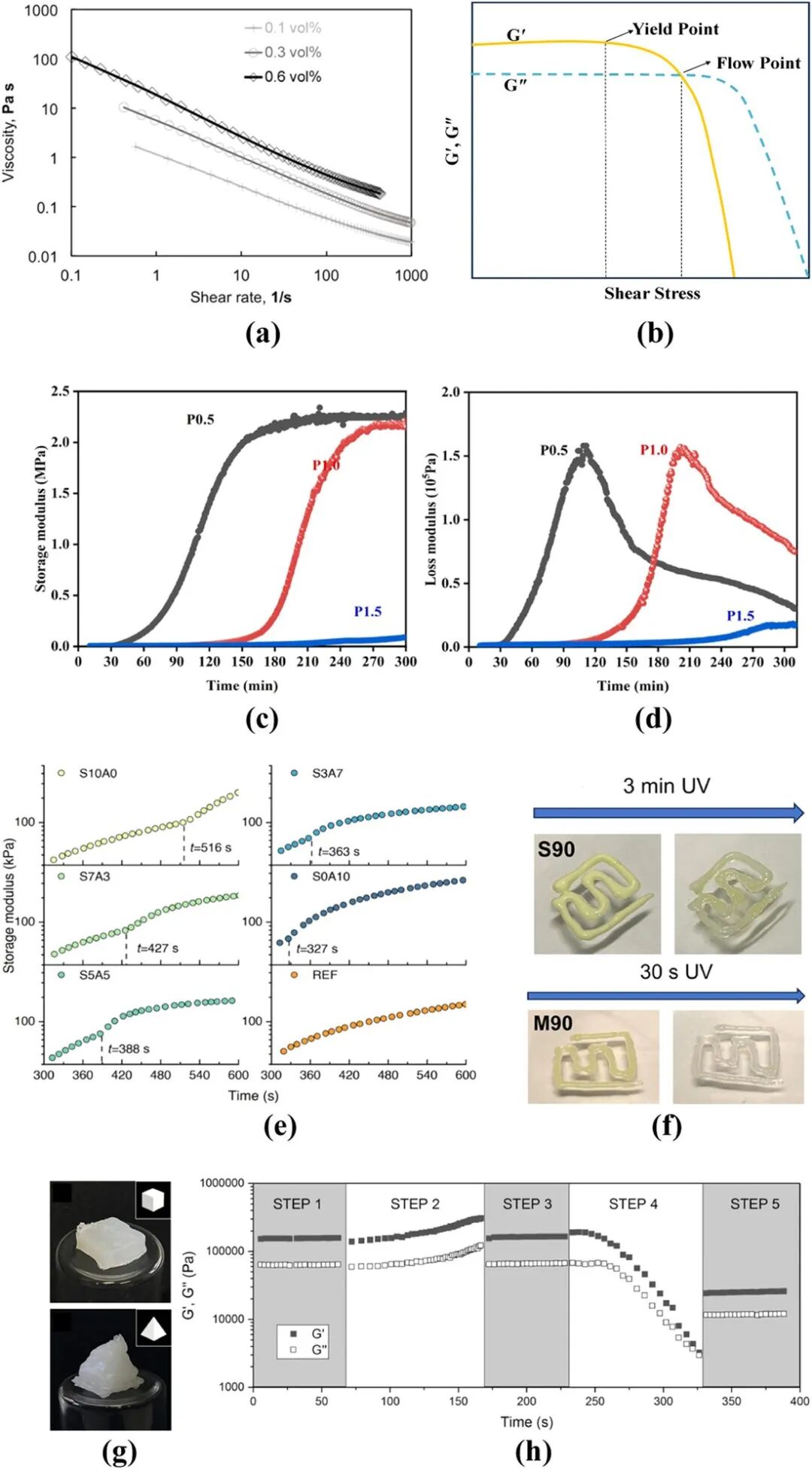
Shear-thinning behavior
The ideal slurry has low viscosity (<10 Pa·s) at high shear rates to facilitate extrusion through a fine nozzle; high viscosity (>100 Pa·s) at low shear rates to maintain shape stability after deposition. This shear thinning behavior can be described by the Herschel-Bulkley model or Power-law model:
τ = τ₀ + K·γ̇ⁿ (Herschel-Bulkley model)
It consists of cutting the stress, zero yielding the stress, K being the density factor, gamma being the cut rate and n being the flow index (n<1 being the cut thinning). Studies show that the flow index is generally good printability in the range of 0.3-0.7.
Yield stress
Yield stress is a key parameter for the slurry to maintain its shape. If it is too low, the flow will collapse after deposition; if it is too high, extrusion will be difficult and the nozzle will be easily blocked. Research shows that the yield stress typically requires 50-500 Pa, depending on the complexity and size of the printed structure.
Thixotropy and structural recovery rate
The viscosity recovery rate of the slurry after shearing determines the interlayer bonding ability. If the recovery is too slow, the lower layer will be unable to support the upper layer and the structure will collapse; if the recovery is too fast, the bonding between layers will be weak and easy to delaminate. The G'/G'' crossover point in the oscillation test evaluates thixotropy.
Solids loading
High solid content (>50vol%) is beneficial to sintering and densification, but the viscosity increases and extrusion is difficult. By optimizing particle gradation (bimodal distribution), adding dispersant, and adjusting solvent ratio, printable viscosity can be maintained at high solid content.
Solidification and post-processing
Solidification by solvent evaporation
After deposition, the solvent evaporates rapidly, the viscosity of the slurry rises sharply, and the slurry solidifies. Suitable for water-based and ethanol-based slurries. The disadvantages are that it shrinks greatly during drying and is prone to cracking, so the environmental humidity and temperature need to be controlled.
Photocuring
Photoinitiator and photosensitive resin are added to the slurry, and UV irradiation cures after deposition. The advantages are fast curing speed and good shape retention, but the disadvantages are complex slurry formula and high cost.
Thermal curing
Add a temperature-sensitive polymer (such as Pluronic F-127) to the slurry, which becomes liquid at low temperatures and transforms into a gel state at elevated temperatures. Suitable for occasions requiring rapid curing.
Solidification in a coagulation bath
The slurry is squeezed into a coagulation bath containing high-valent cations (Ca²⁺, Ba²⁺), and ionically cross-linked and solidified. Suitable for negatively charged systems such as sodium alginate and graphene oxide. The advantage is uniform curing and small shrinkage.
Post-processing
Printing the green body requires three post-processing steps: drying → degreasing → sintering. The drying rate needs to be controlled to prevent cracking; the degreasing needs to be slowly heated (<3°C/min) to avoid cracks caused by rapid pyrolysis of the polymer; the sintering parameters are optimized according to the material system.
Factors affecting mechanical properties
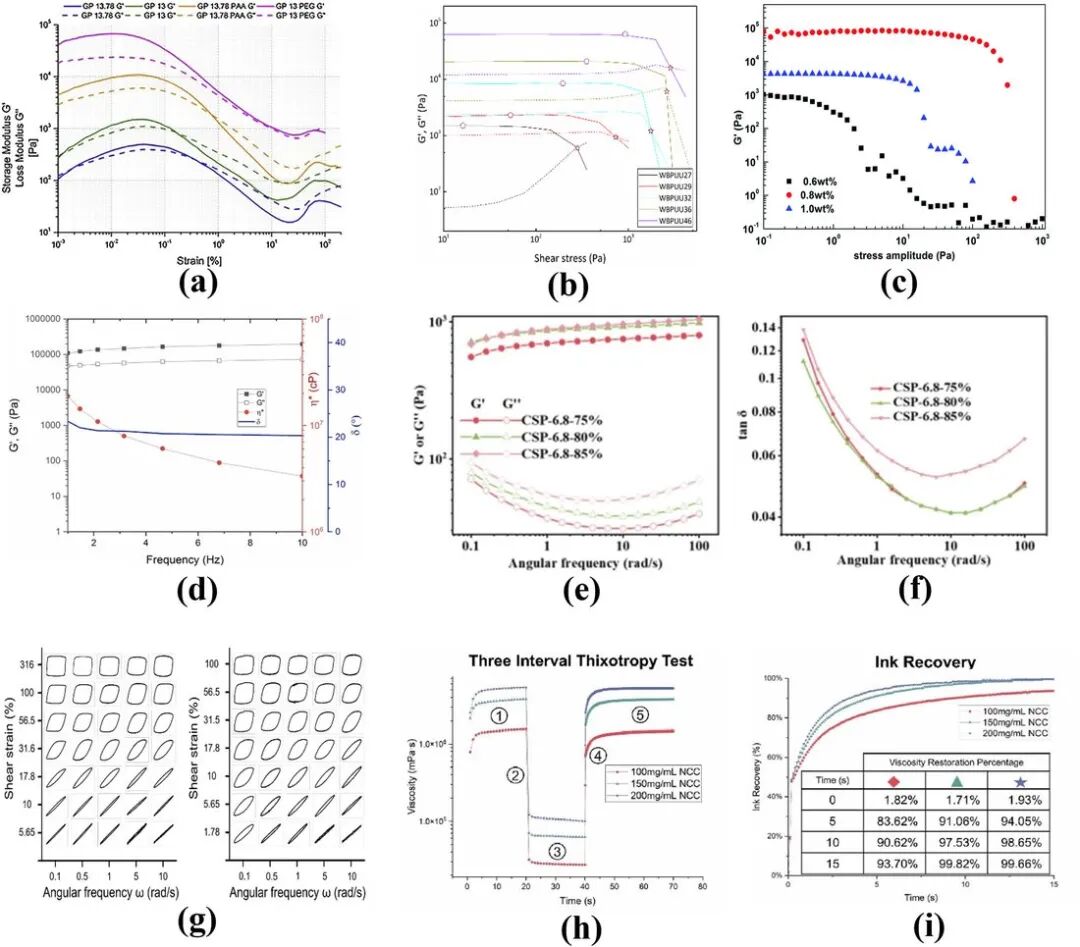
Effects of printing parameters
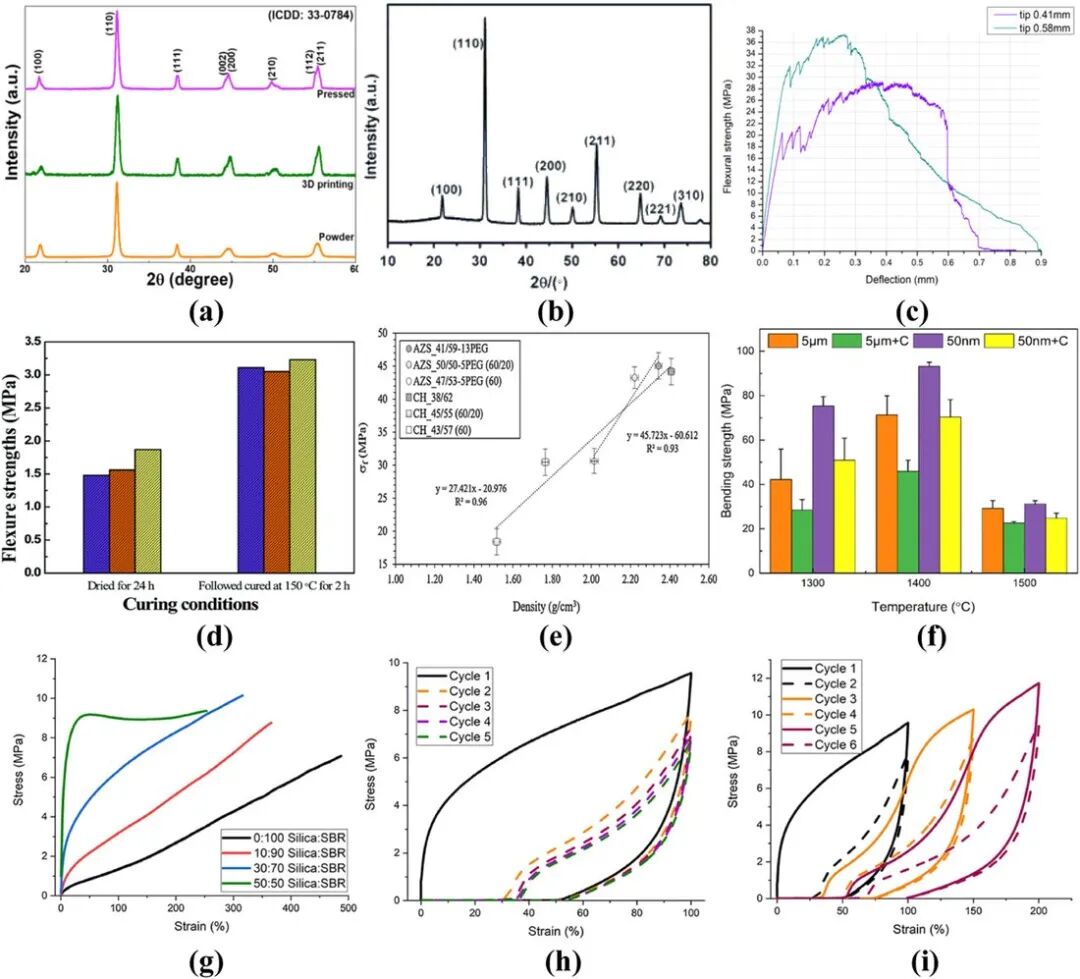
Layer thickness: Reducing the layer thickness can improve resolution and surface quality, but the printing time will be extended and the bonding between layers may become weaker. The layer thickness is typically 50-80% of the nozzle diameter.
Printing speed: If the speed is too fast, the extrusion will be insufficient and the structure will be discontinuous; if the speed is too slow, the slurry will accumulate and deform. The optimal speed needs to match the extrusion rate.
Extrusion pressure: If the pressure is too low, the extrusion will be insufficient and the wire will break; if the pressure is too high, the slurry will splash and the size will be out of control. Air pressure is usually 0.5-3 bar.
Nozzle diameter: A small diameter means high resolution but easy to clog; a large diameter means fast printing but low resolution. Commonly used diameters are 0.2-1.0mm.
Effects of post-processing
Drying: Rapid drying creates capillary stress leading to cracking. Controlling moisture gradients and slow drying can reduce defects.
Degreasing: The pyrolysis of the binder produces gas. If the rate is too fast, the internal pressure will accumulate and crack. Stepwise heating and inert atmosphere protection can be improved.
Sintering: Sintering temperature, holding time, and heating rate determine the density and grain size. High temperature and long-term sintering density is high but the grains are coarsened.
Effects of microstructure
Porosity: Reducing porosity increases strength, but may sacrifice functionality (e.g. permeability, biocompatibility). Density >95% can achieve mechanical properties close to those of bulk materials.
Interlayer bonding: The interlayer interface is the weak link. Interlayer bonding can be enhanced by optimizing thixotropy, printing temperature, and nozzle height.
Particle orientation: Flake and fibrous fillers are oriented during the extrusion process, resulting in mechanical anisotropy. The strength perpendicular to the printing direction is usually 20-40% lower than the parallel direction.
Binder-free ink systems
Traditional adhesive slurry is exposed to long periods of defamination and residual carbon pollution. In recent years, a non-adhesive slurry system has been developed to achieve printability through particle-to-particle interaction and solvent regulation:
- Nanoparticle self-assembly: high-surface-area particles form gel networks through van der Waals and electrostatic interactions without polymer binders.
- Solvent control: polarity and pH tune particle attraction and repulsion to achieve yield stress and shear thinning.
- Potential benefits of binder-free systems: no polymer-debinding stage, higher sintered purity and a simpler process.
- Challenges: limited ink stability, a narrow rheological window and sensitivity to particle properties.
Multi-material printing and functional gradients
DIW’s multi-nozzle switching capability gives it unique advantages in the field of multi-material printing:
Functionally graded materials
By changing the material composition layer by layer, performance gradient distribution is achieved. For example, ceramic-metal gradient materials have high strength and high temperature resistance at one end, high thermal and electrical conductivity at the other end, and a transition layer in the middle to relieve thermal stress.
Heterogeneous integrated structures
Integrate different functional materials into the same component, such as structural layer + functional layer (conductive, magnetic, bioactive), hard layer + soft layer (bionic composite material).
Principal challenges
The rheological properties of slurries of different materials need to match, otherwise the interface bonding will be poor and the deformation will be inconsistent. Issues such as interface reactions and thermal mismatch also need to be considered.
Current challenges and future directions
Current challenges
Slurry development: The rheological window of a new material system is often unknown and requires extensive trial and error optimization. There is a lack of universal slurry design guidelines.
Printing accuracy: Limited by the nozzle diameter and slurry rheological characteristics, it is difficult to achieve sub-100μm fine structures.
Scale effect: The performance of small-sized samples in the laboratory is excellent, but the problems of deformation and cracking are prominent when enlarging to large-sized components.
Quality control: Insufficient detection and control methods for defects (pores, cracks, delamination) during the printing process.
Standardization: There is a lack of unified slurry characterization methods, printing parameter standards, and performance testing specifications.
Future development
Material genome method: Establish a database of material composition-rheological properties-printing performance to achieve rapid screening and optimization of slurry formulas.
Machine learning assistance: Use machine learning to predict slurry rheological behavior, optimize printing parameters, and monitor and regulate printing quality in real time.
Multi-material printing: Develop compatible slurry systems with more material combinations to achieve complex functionally graded materials and heterogeneous integrated structures.
In-situ monitoring and feedback control: Integrate rheological sensors, visual monitoring, and force feedback systems to achieve real-time monitoring and adaptive control of the printing process.
Manufacturing of large-size components: Develop large-size printing equipment, optimize the drying and degreasing sintering system, and solve the stress cracking problem caused by scale enlargement.
Industrial application: From the laboratory to large-scale production, establish a quality control system, reduce costs, and improve reliability.
Implications for DIW research and development:
First, rheological properties are the core of DIW slurry design. Shear thinning, yield stress, and thixotropy must be optimized collaboratively and each is indispensable.
Second, there is a complex relationship between material composition-rheological properties-printing performance-mechanical properties, which requires systematic experimental design and data analysis to establish a quantitative relationship.
Third, post-processing (drying-degreasing-sintering) is as important as the printing process itself. Many print quality problems are actually caused by improper post-processing.
Fourth, multi-material printing and functionally graded materials are the unique advantages of DIW and deserve focused investment.
Fifth, machine learning and data-driven methods will accelerate slurry development and process optimization and are important future development directions.
Reference papers: Kumar P, Ray R, Kumar S, Powar S, Doddamani M. A review on direct ink writing 3D printing: Materials, properties, and future advancements. Progress in Engineering Science. 2026;3:100241. DOI: 10.1016/j.pes.2026.100241Corresponding author: Mrityunjay Doddamani (mrityunjay@iitj.ac.in)