Printing practice
DLP-printed alumina microperforated plate
A dense, uniform microhole array demonstrates digital control of aperture, pitch and distribution for filtration, gas distribution and microreactor evaluation.
This KUNWU editorial note is based on the supplied technical source. Reported results belong to the described study or sample and are not KUNWU equipment specifications.
Introduction
High-density micro-pores, small apertures, even arrays - a multi-pore structure that is difficult to balance with traditional processes and is being stabilized by DLP ceramic 3D printing.
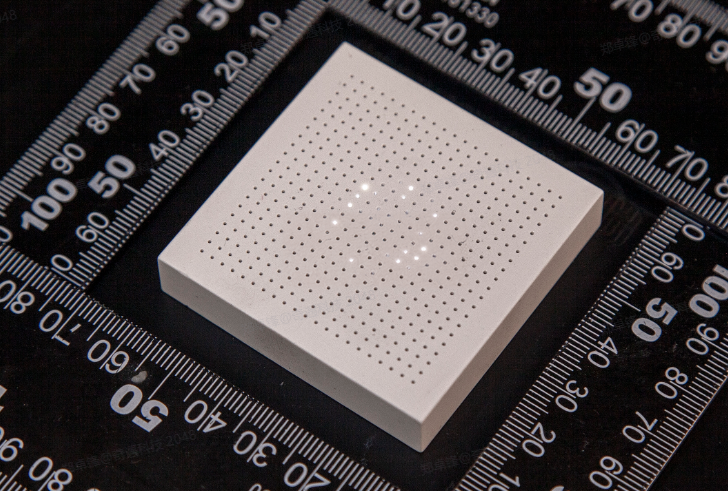
I. Structure and application value
From a structural point of view, such porosity plates are not simple functional components, but rather typical “structural-functional integration” designs: high density micro-pores lead to significantly increased surface area and fluid efficiency, which can directly affect passivity in filtering scenarios such as separation, gas distribution, micro-reactors, etc., while the distribution of rule arrays ensures the homogeneity of the flow field and avoids local drift or death zone problems, which are key to determining the real effects in many applications.
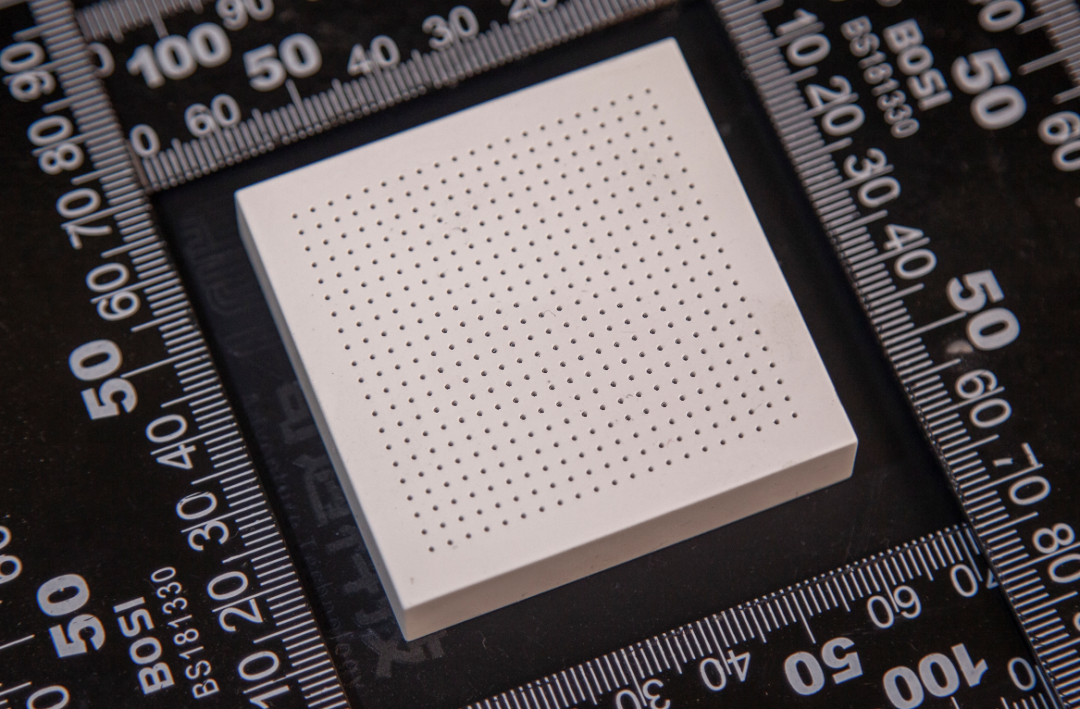
II. DLP formation route
It defines the logic of aperture, spacing and rags directly at the modelling stage and is exposed one by one through the DLP. The subsequent combination of controlled delipidization and sintering processes achieves predictable control of the integrity and size of the hole structure. Essentially, it is possible to achieve “what an aperture is desired, what density, what distribution” - it can be stabilized as long as it is designed within the “capacity range” of materials and equipment.
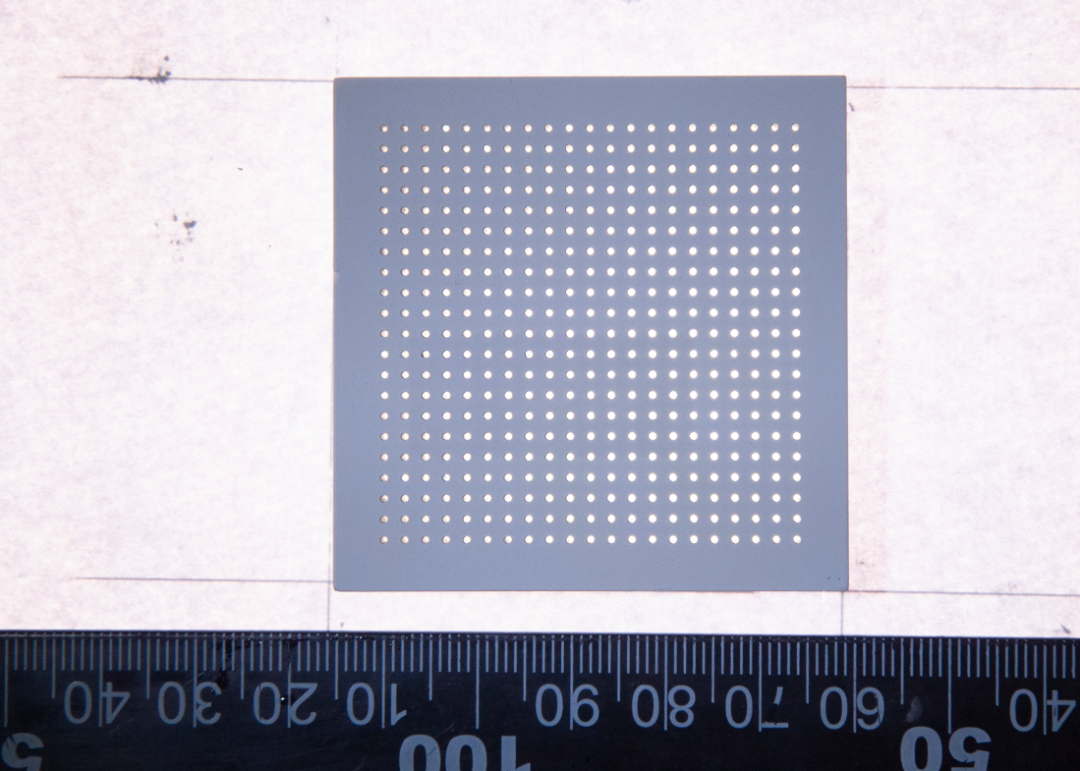
Project evaluation
If you're making complex structural ceramics, functional porous materials, or trying to land structures that “can only model, can't do it”, such a 3D programme based on DLP may be more direct and more imaginative than traditional processes and would welcome contact with KUNWU.