Structure design
Square and round alumina lattices
Comparing topologies shows that local nodes, open porosity and load direction matter as much as nominal cell size.
This KUNWU editorial note is based on the supplied technical source. Reported results belong to the described study or sample and are not KUNWU equipment specifications.
Lattice structure is a common porous structure that achieves lightweight while ensuring component strength. It is widely used in aerospace, filtration, thermal management and other scenarios that require weight reduction and fluid control. This case uses DLP ceramic 3D printing technology to prepare two types of aluminum oxide square lattice and aluminum oxide circular lattice samples, completely presenting the entire process from three-dimensional model design, printing and forming to post-processing and sintering of the finished product.
1 · 3D model design
Design the unit topology and overall configuration of square lattice and circular lattice through three-dimensional modeling. Digital modeling supports flexible adjustment of lattice type, unit size and arrangement, providing accurate model input for subsequent printing.
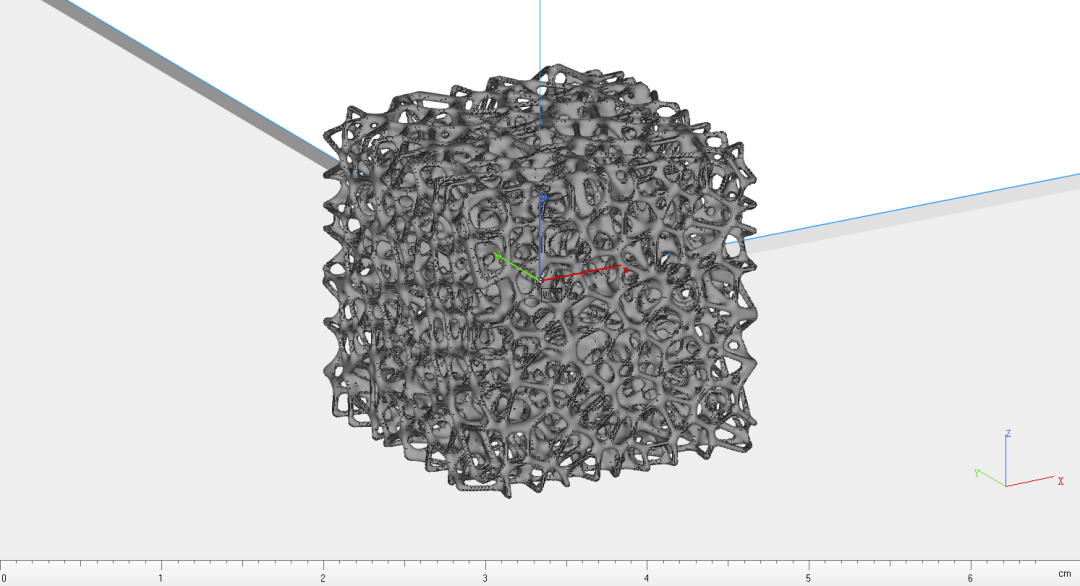
square lattice model
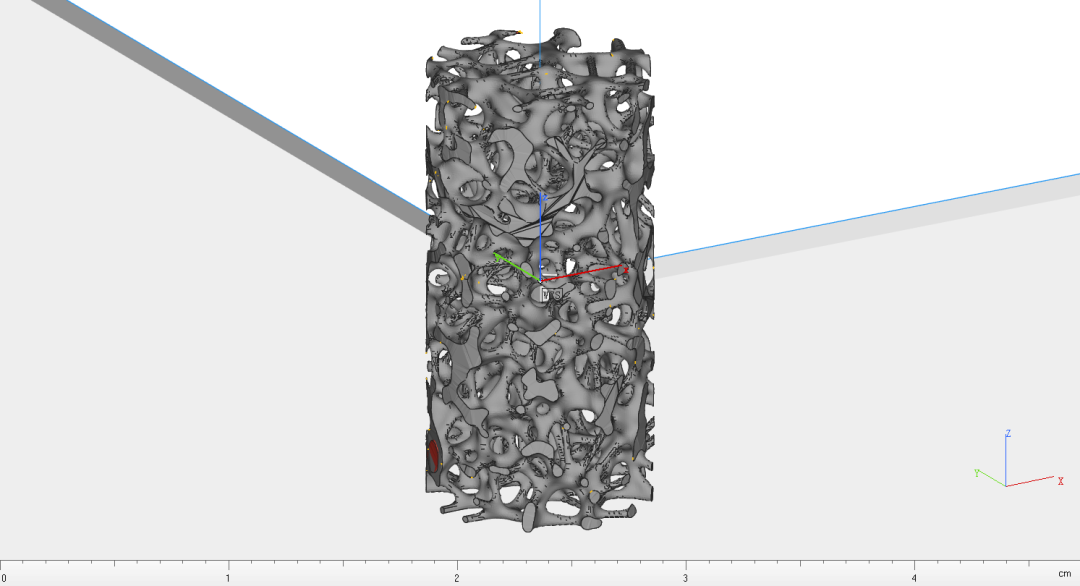
Cylindrical lattice model
Ceramic light-curing 3D printing is used to solidify the alumina slurry layer by layer according to the digital model. The lattice structure is accurately constructed layer by layer, and the molding process is continuously controllable.
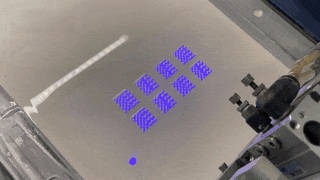
3 · Launch
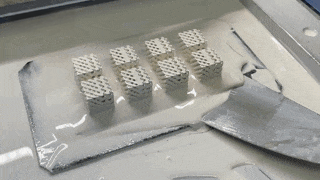
After printing is completed, the molded body is pushed and separated from the printing base, so that the high-porosity lattice body is completely separated from the base.
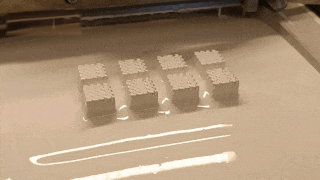
4 · Pickup
The separated green body is picked up to ensure that the fine lattice pillars are intact and not damaged during the picking process.
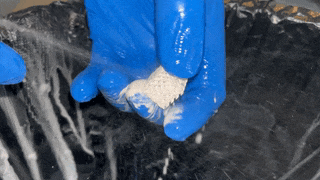
5 · Cleaning
The residual slurry on the surface and inside of the green body is removed by cleaning, so that the lattice pore structure is clearly revealed and prepared for subsequent sintering.
6·Degreasing sintering
After degreasing and high-temperature sintering, the green body completes the densification transformation to obtain an alumina ceramic piece with stable performance and a certain strength, and the porous lattice structure is completely retained.
7·Finished product display
Here is a sample of two types of aluminium oxide crystals after the sinter has been completed:
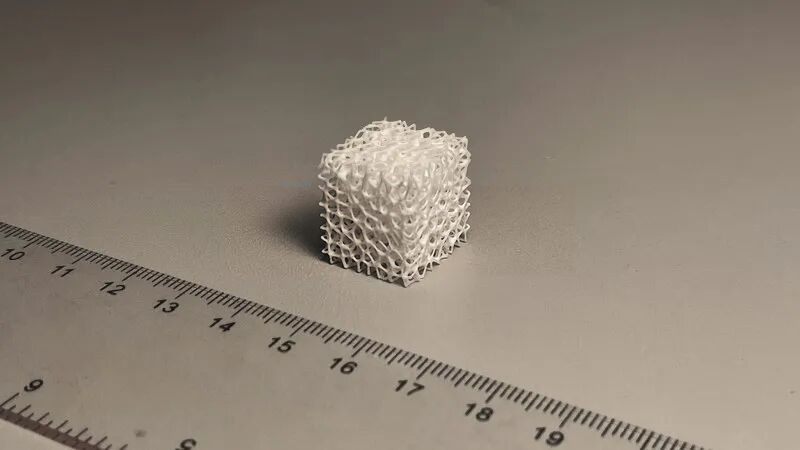
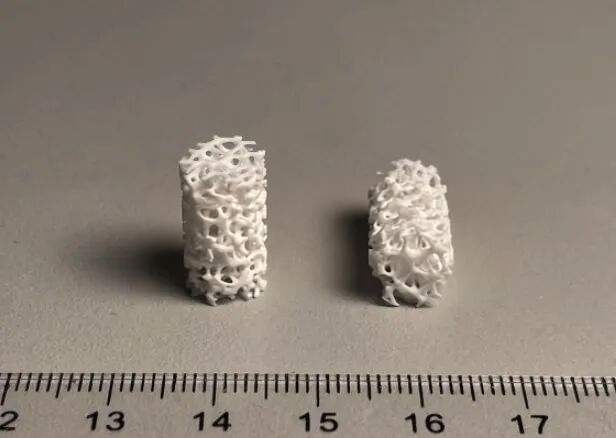
This case demonstrates the consistent forming capability of ceramic additive manufacturing in the preparation of lattice structures - whether it is a regular square lattice or a circular lattice, the internal through-hole structure is clearly visible and can be accurately reproduced through the digital modeling and printing process. Compared with traditional material subtraction and slip casting, 3D printing provides a more flexible technical path for customized and small-batch manufacturing of lightweight porous ceramics.