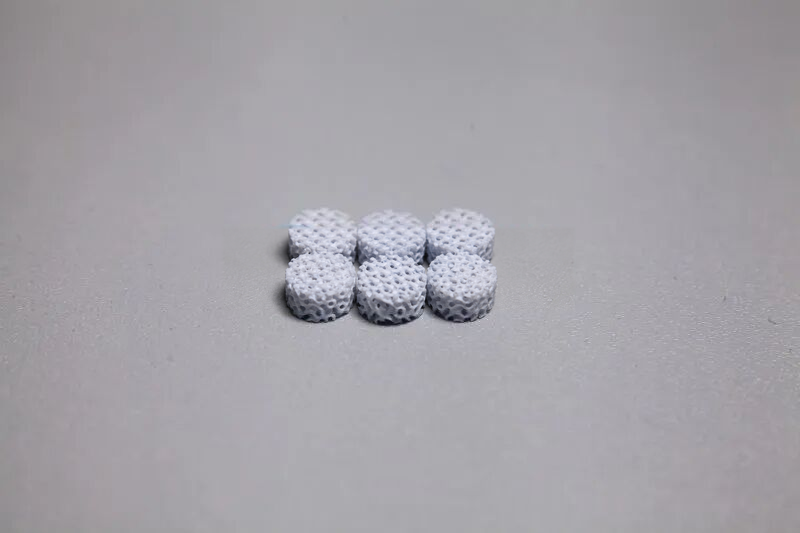
Structure design
TPMS structures across four ceramic materials
The same digital architecture is transferred across ceramic systems, helping separate the effects of geometry, composition and sintering route.
This KUNWU editorial note is based on the supplied technical source. Reported results belong to the described study or sample and are not KUNWU equipment specifications.
TPMS (Triperiodic Minimal Surface) is a type of porous topology with fully connected pores and smooth surfaces. It has a large specific surface area and uniform stress distribution. It is widely used in the design of porous structures. However, this kind of complex curved body is difficult to achieve near-net shape using traditional mold opening or machining. The mold repair cycle is long and the cost of structural iteration is high.
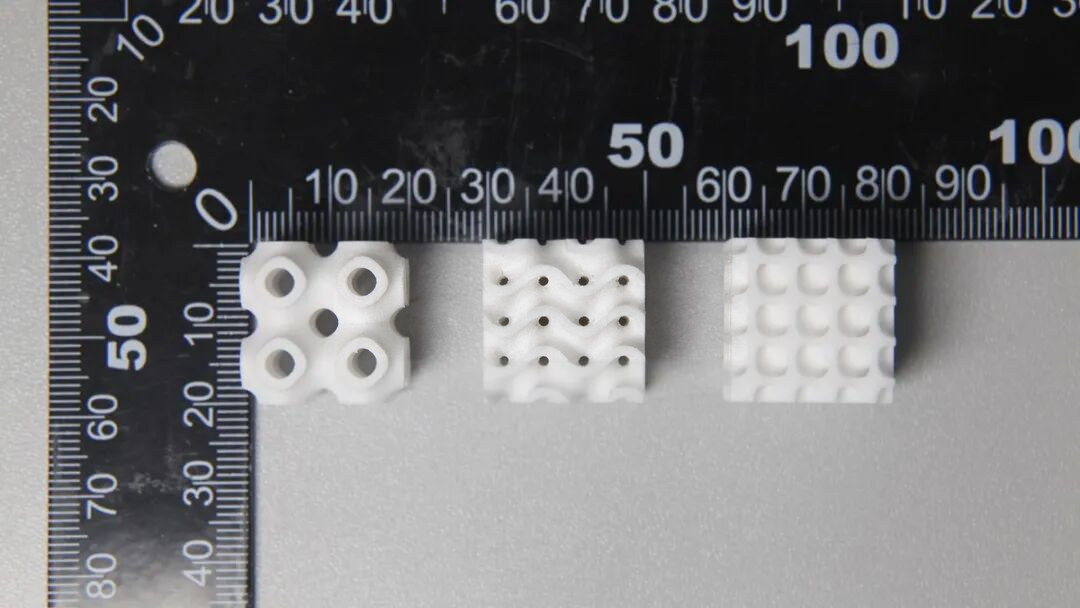
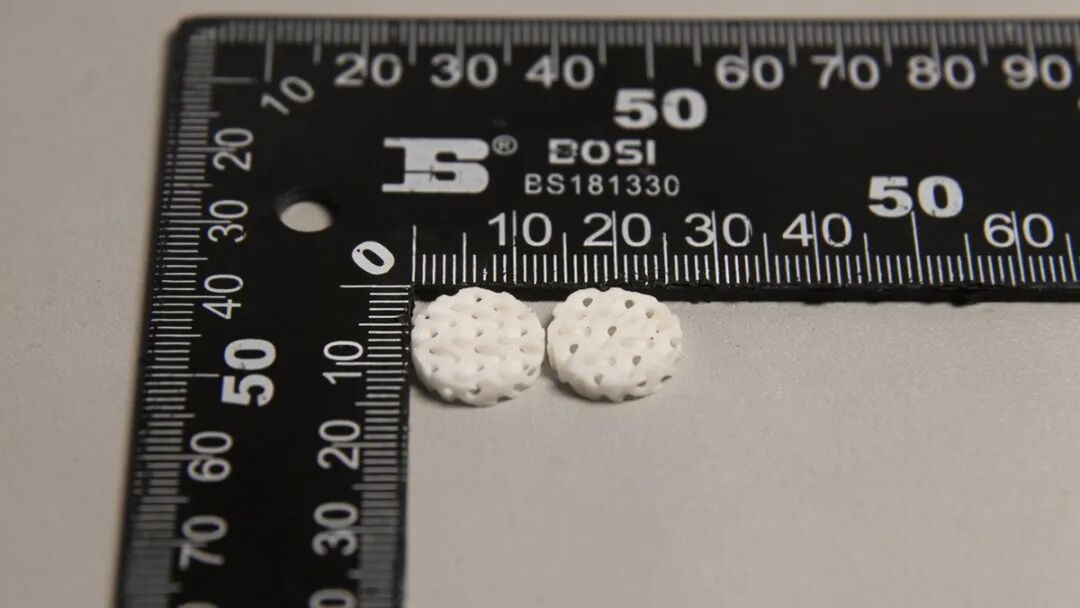
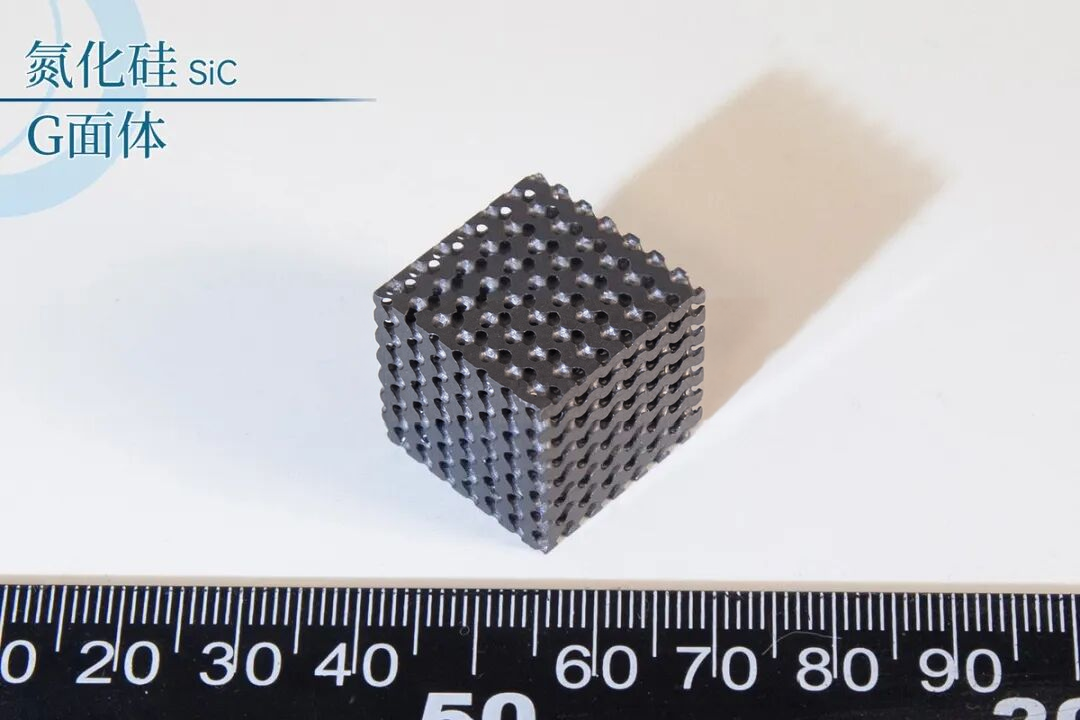
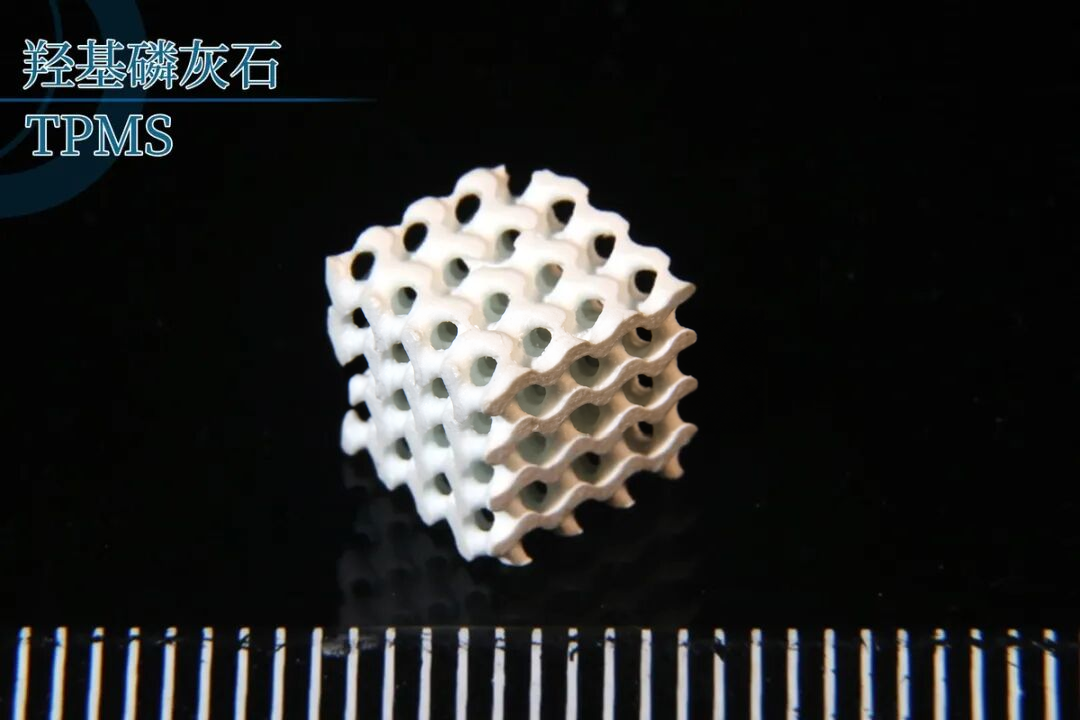
Ceramic 3D printing can be directly driven by a three-dimensional model. By using the same TPMS topology with different ceramic slurries, porous samples with different compositions and properties can be quickly prepared. The following takes four standardized slurries of alumina, zirconia, silicon carbide, and hydroxyapatite as examples to demonstrate the printing effects of TPMS structures on different material systems.