 β-TCPAPPLICATION / 2026
Applications
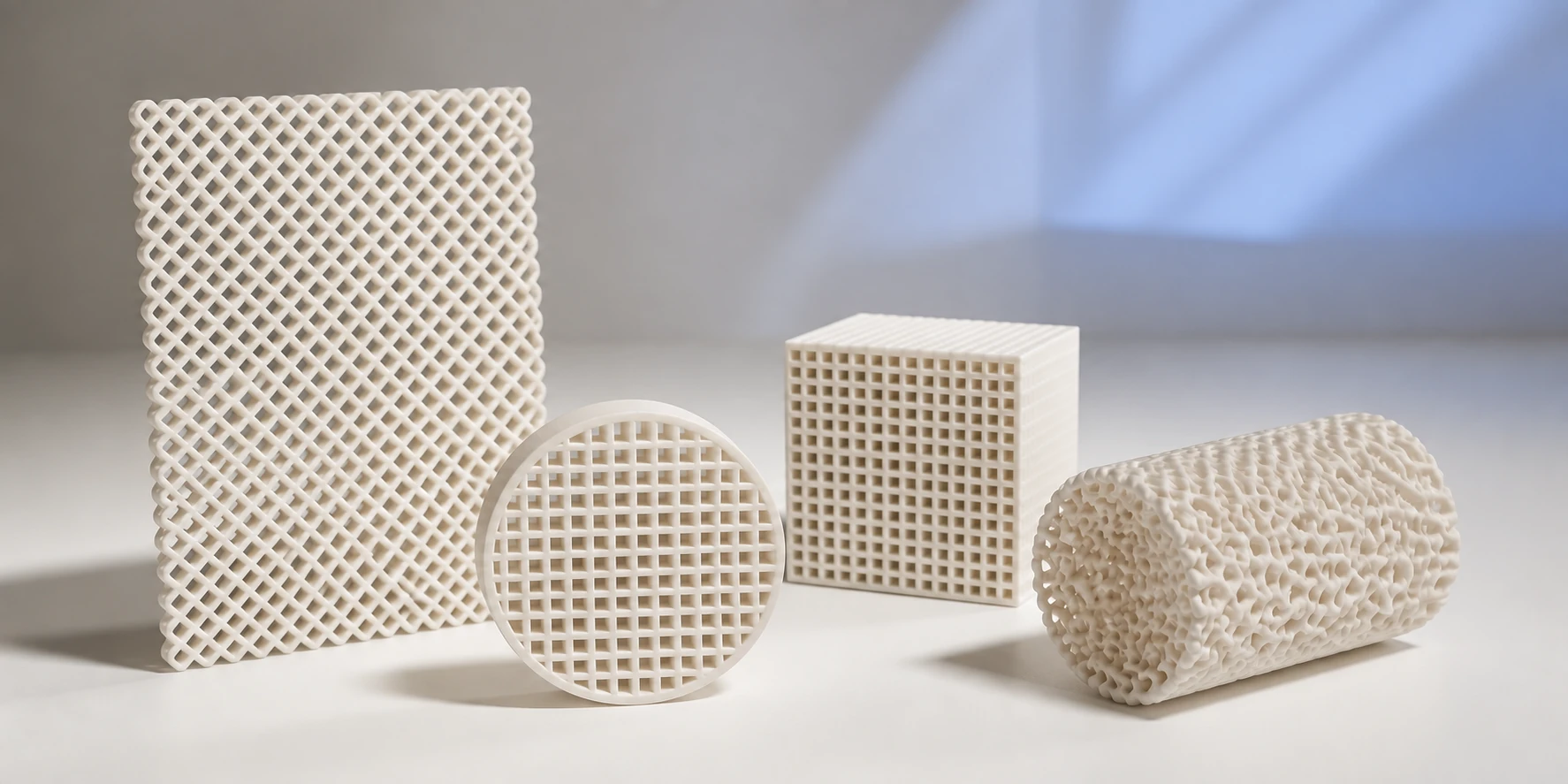
Strength prediction for β-TCP scaffolds
Modelling links porous-architecture parameters with the mechanical response of a bioceramic scaffold; it is a research tool, not a medical conclusion.
TECHNICAL BLOG
A publication area for KUNWU application notes, scientific reviews and practical process guides.
β-TCPAPPLICATION / 2026Applications
Modelling links porous-architecture parameters with the mechanical response of a bioceramic scaffold; it is a research tool, not a medical conclusion.
 Al₂O₃RESEARCH / 2026
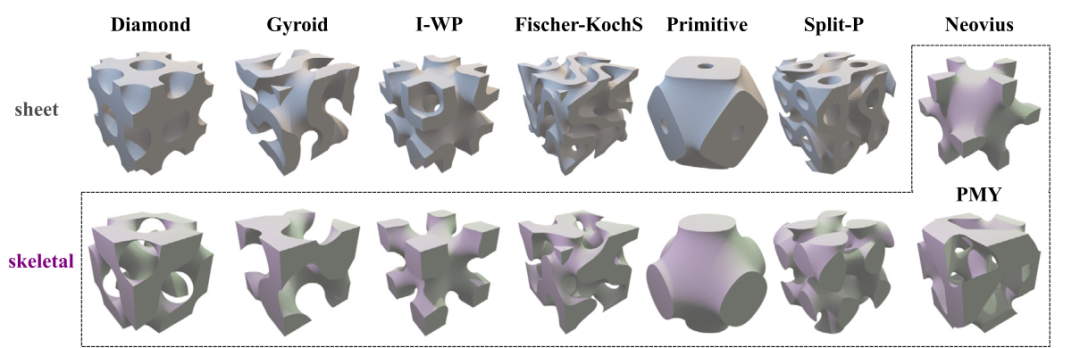
Structure design
Comparing topologies shows that local nodes, open porosity and load direction matter as much as nominal cell size.
 PZTRESEARCH / 2026
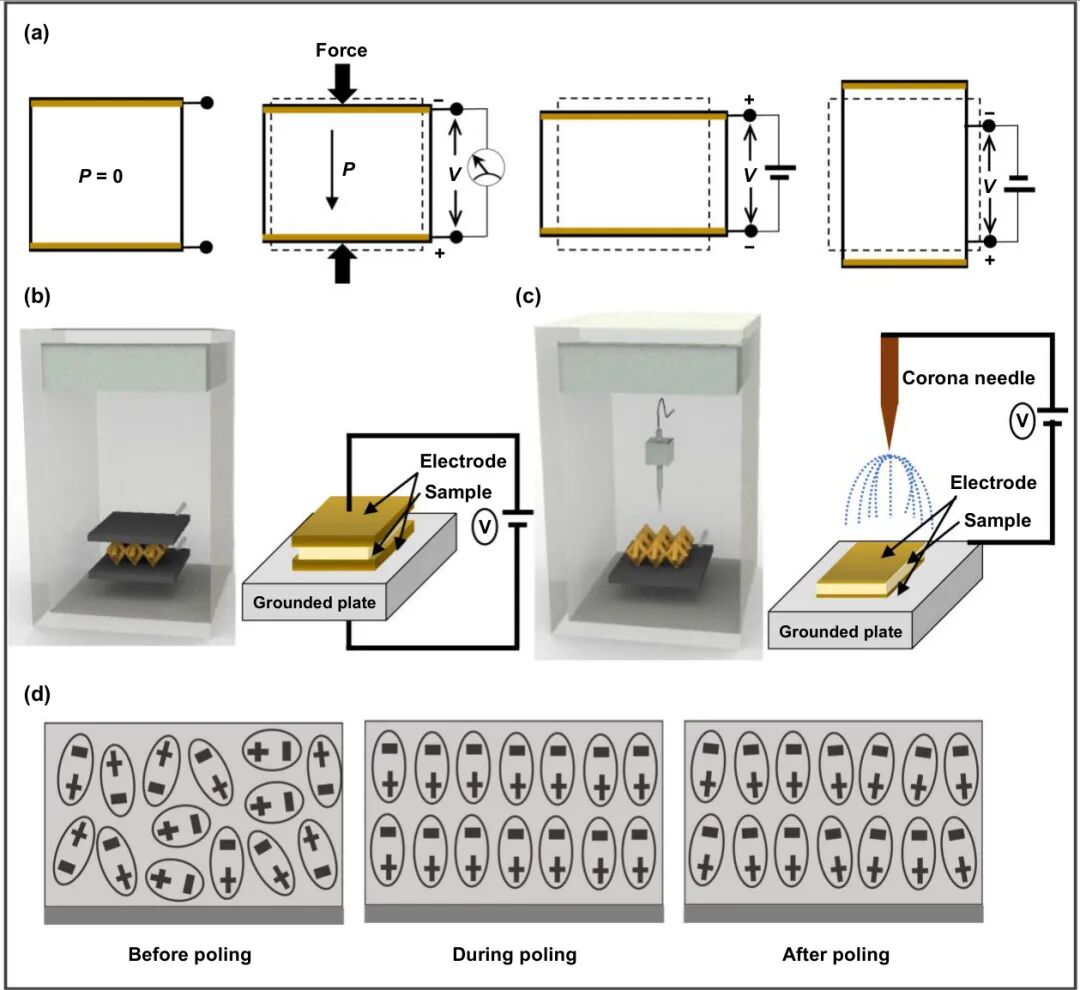
Materials research
Piezoelectric function depends on composition, orientation, poling and geometry; optimizing shape alone does not guarantee a better device.
 SiO₂RESEARCH / 2026
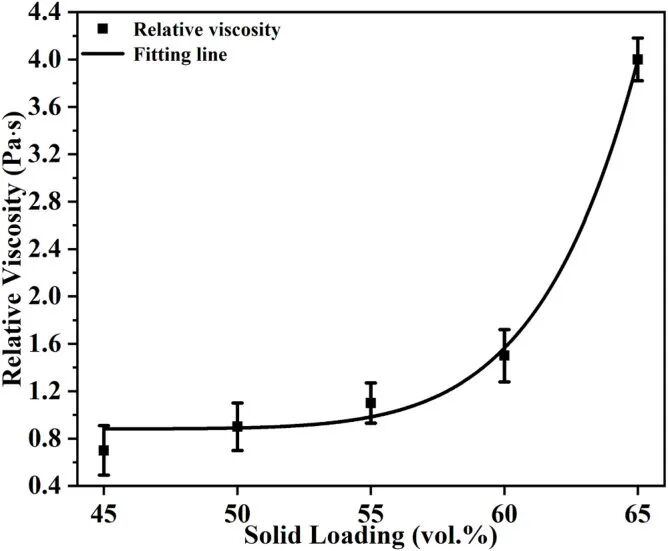
Process engineering
Higher powder loading can reduce shrinkage while changing viscosity, layer recoating and the risk of interlayer defects.
 TPLRESEARCH / 2026
Research horizon
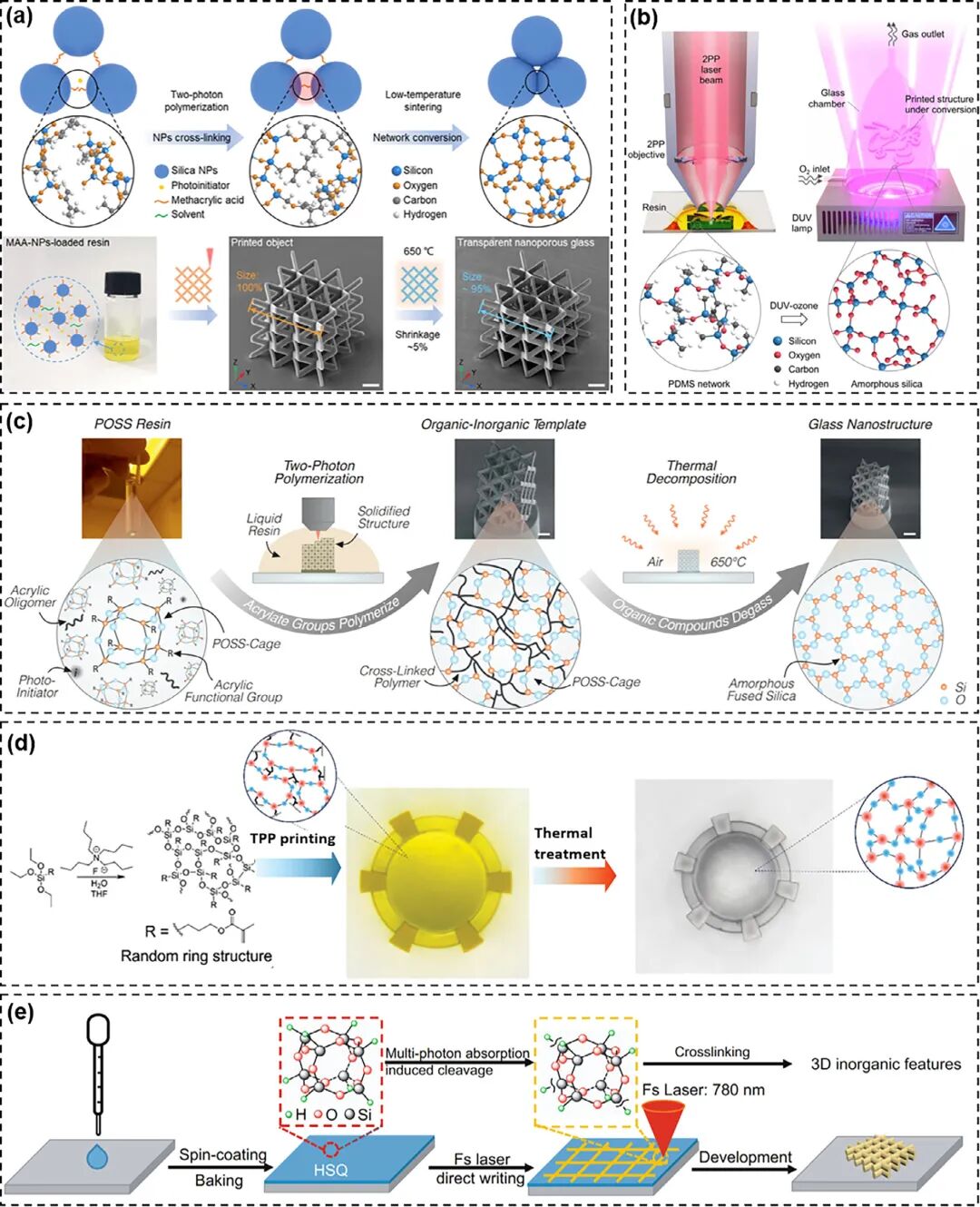
The review follows two-photon lithography from polymer templates to inorganic microstructures through different conversion routes.
 DIWRESEARCH / 2026
Process engineering
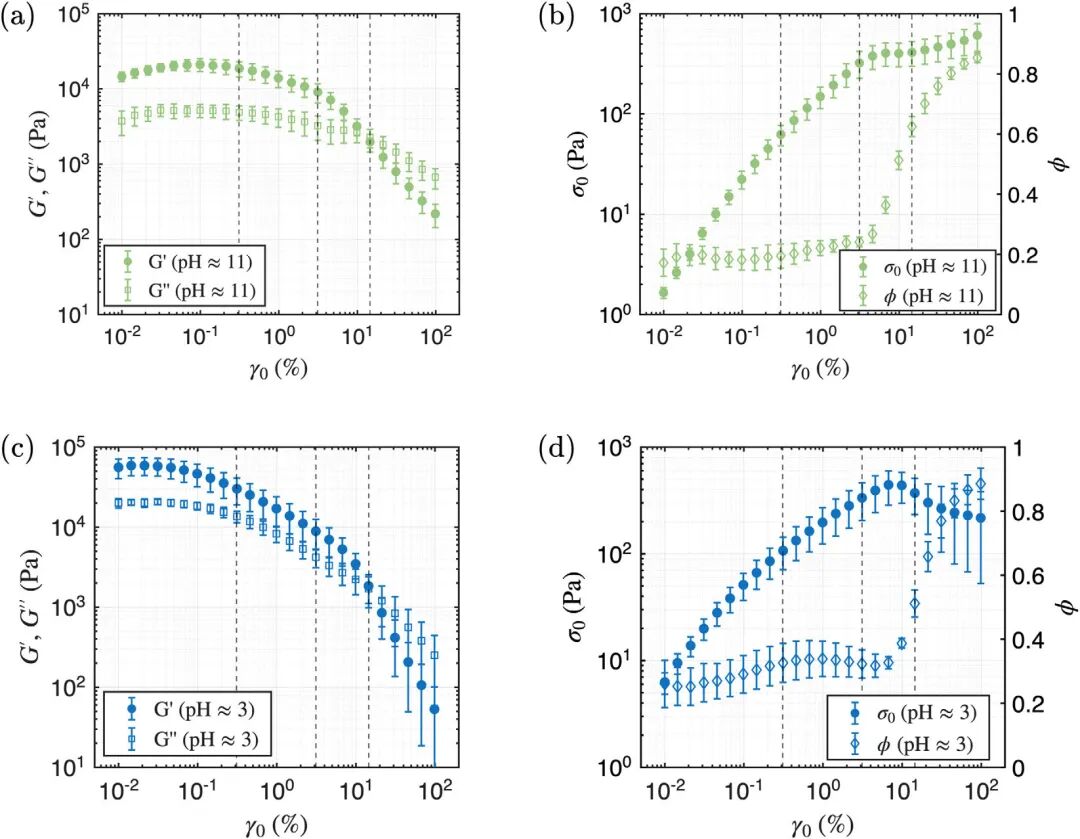
Beyond yield stress, post-shear recovery rate matters because it controls filament retention and multilayer stability.
 BaTiO₃RESEARCH / 2026
Materials research
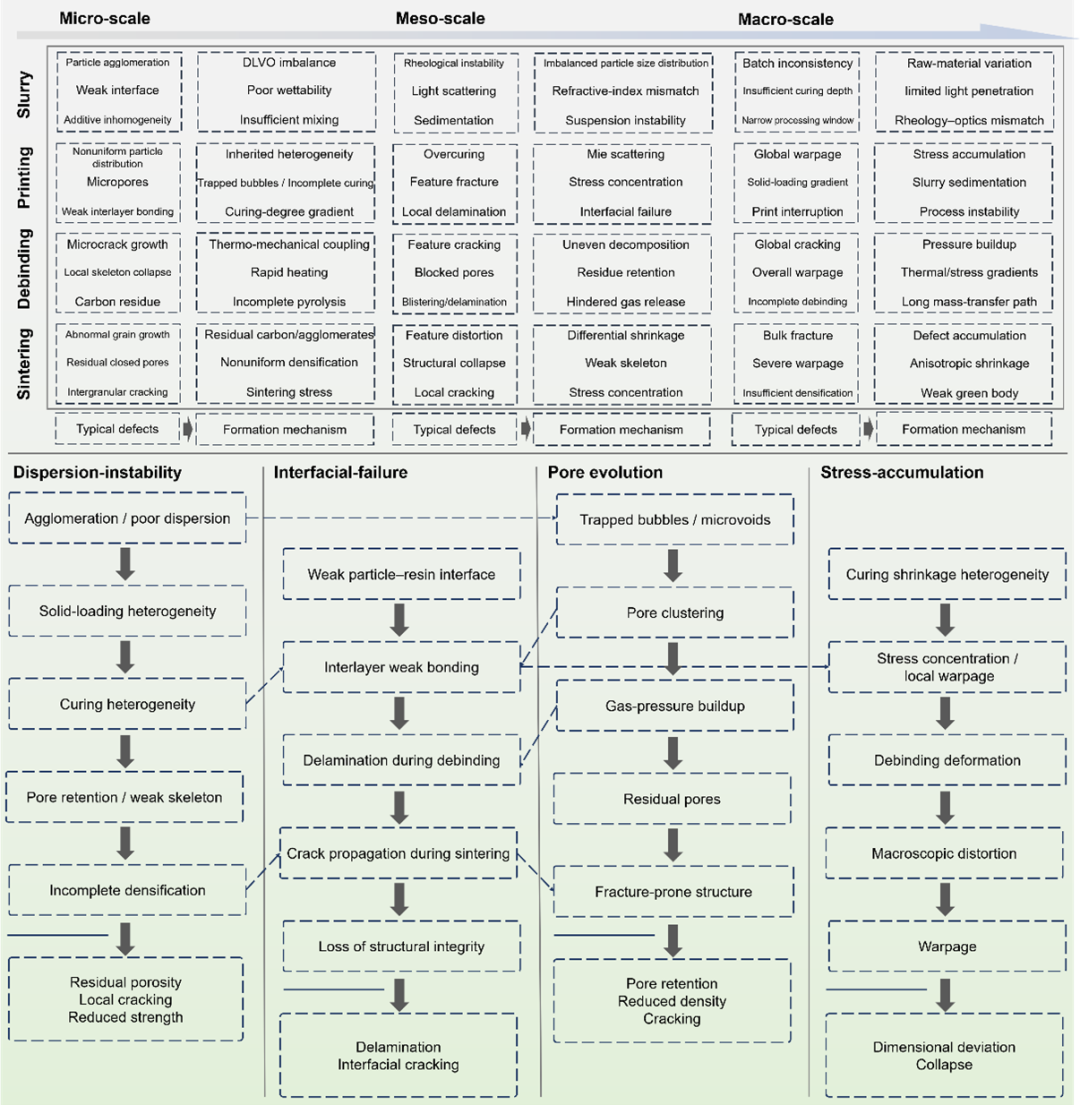
Particle size affects rheology and light scattering, then cure depth, green-part defects and property development during sintering.
 VPPRESEARCH / 2026
Process engineering
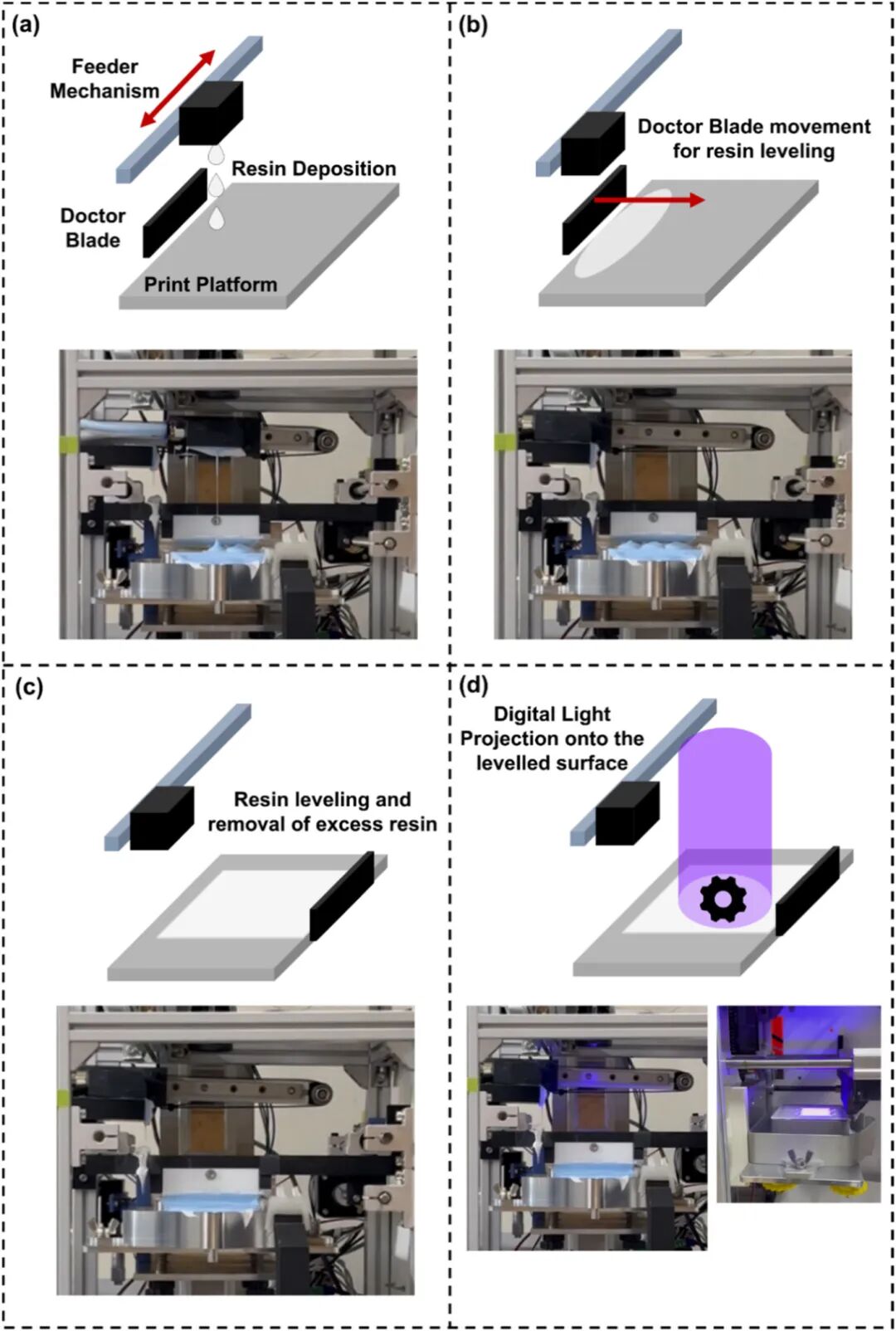
Defects may appear only during debinding and sintering, so success criteria must cover final density, cracks, distortion and dimensions.