 BouligandRESEARCH / 2026
Structure design
Programmable orientation in bioinspired ceramics
Controlled reinforcement orientation creates a tortuous crack path and enables design of anisotropic fracture resistance.
TECHNICAL BLOG
A publication area for KUNWU application notes, scientific reviews and practical process guides.
BouligandRESEARCH / 2026Structure design
Controlled reinforcement orientation creates a tortuous crack path and enables design of anisotropic fracture resistance.
 Cu/diamondRESEARCH / 2026
Research horizon
The study demonstrates composite shaping before sintering; final thermal and mechanical properties cannot be inferred from green-part quality.
 Metal/CeramicRESEARCH / 2026
Process engineering
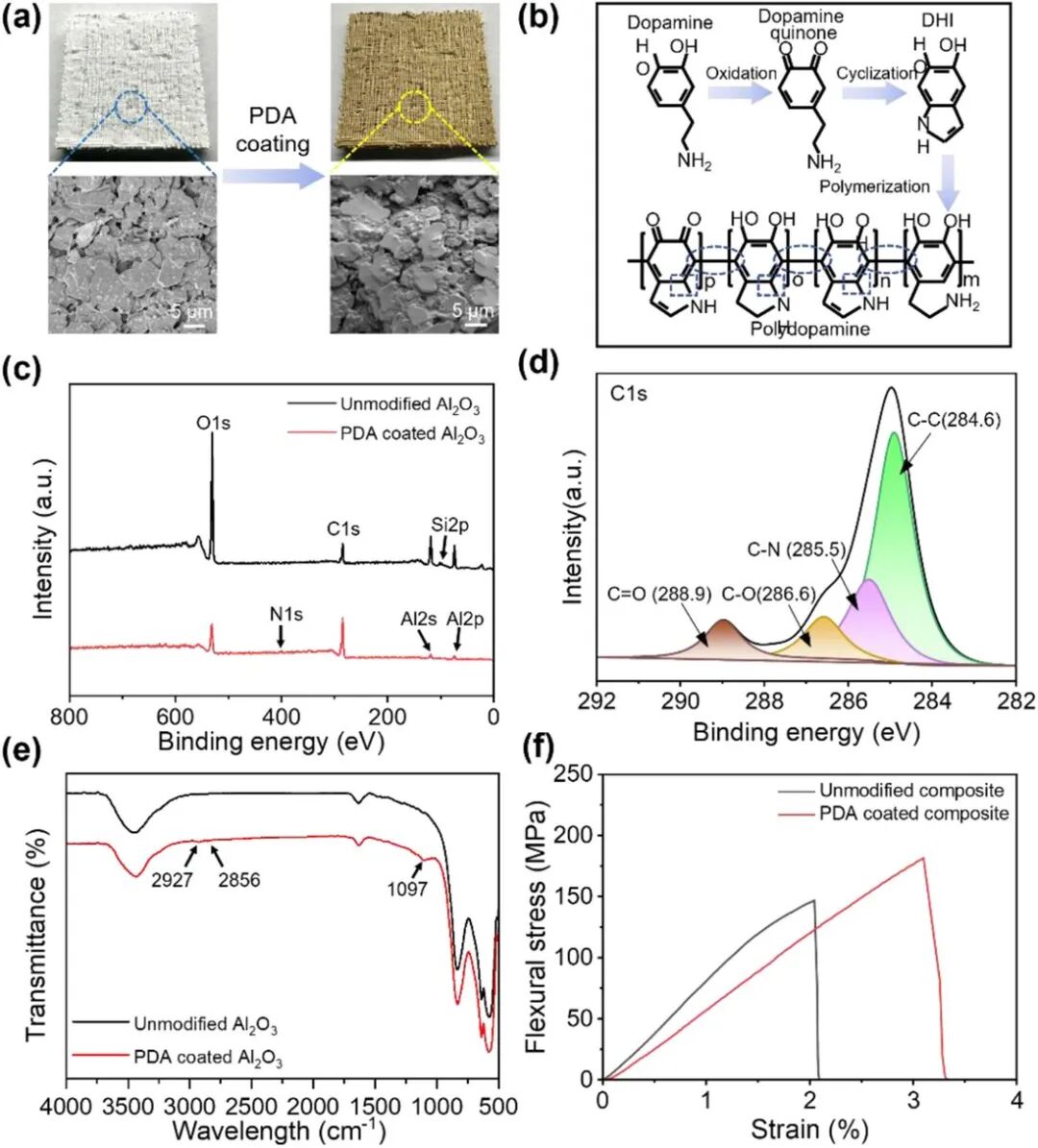
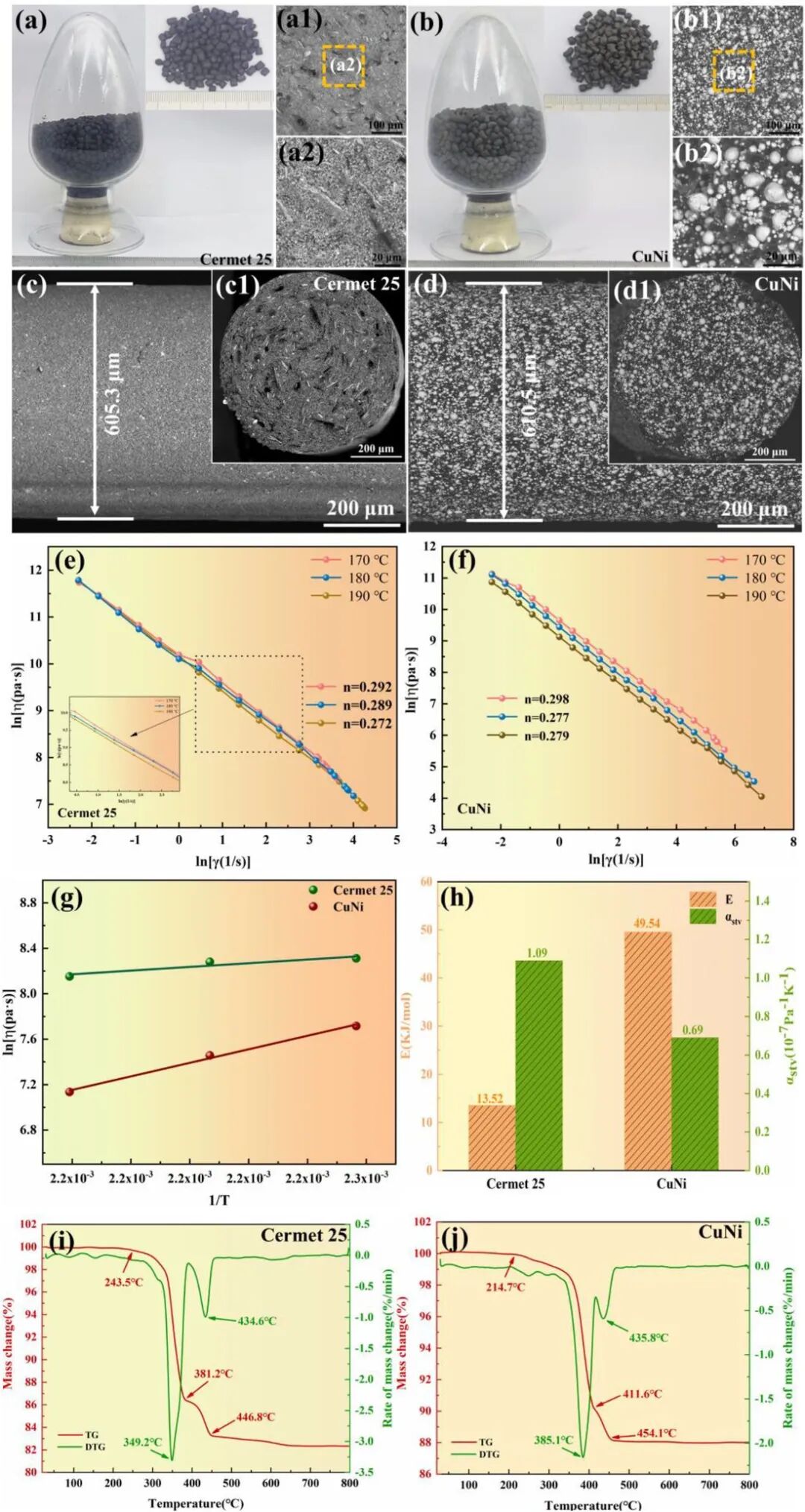
The central multi-material challenge is matching shrinkage, chemical compatibility and interfacial stress through the full thermal cycle.
 GradientRESEARCH / 2026
Structure design
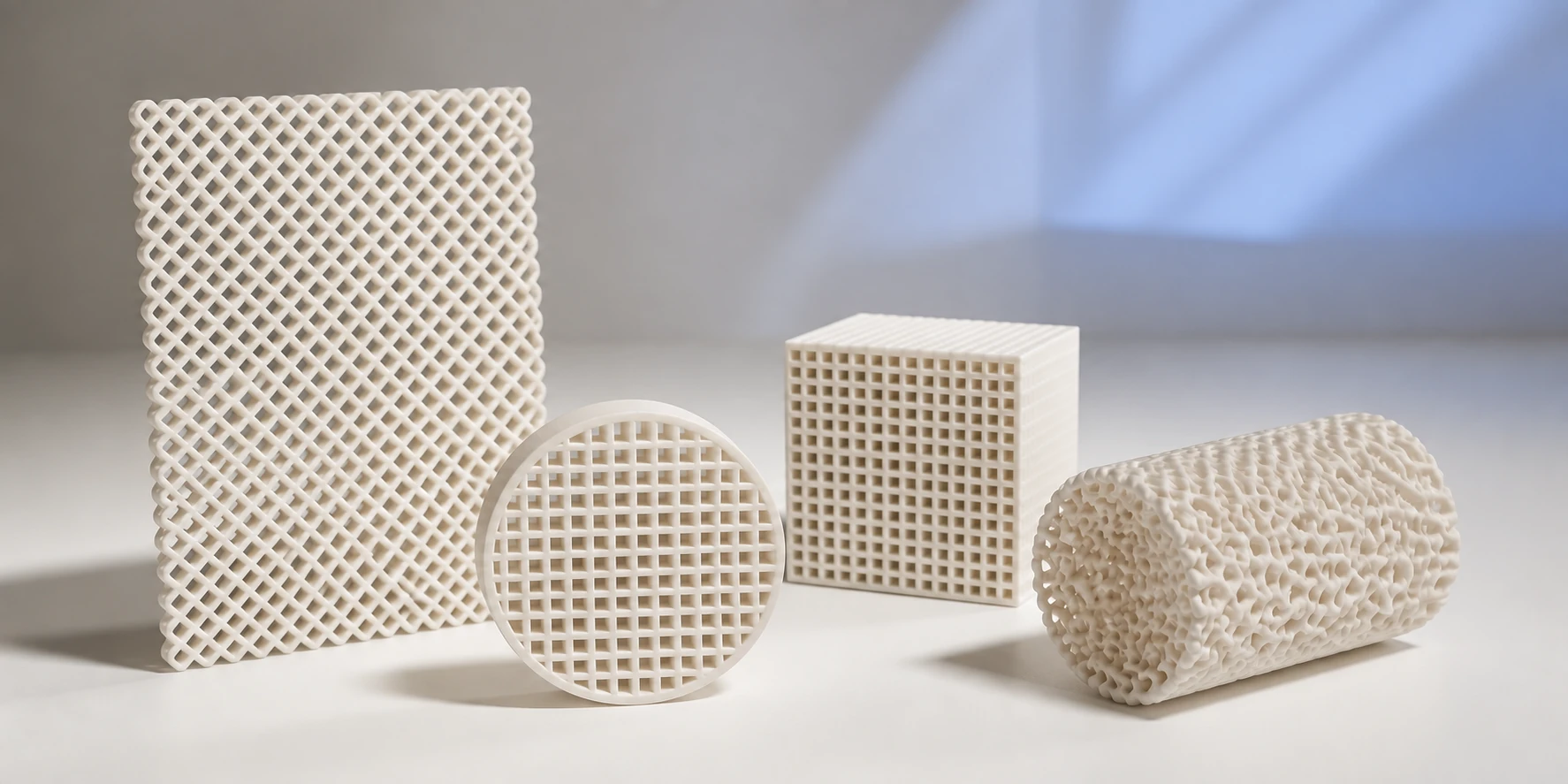
Hierarchical pores enable joint tuning of strength, heat transfer and biological interaction, but the optimum depends on the target function.
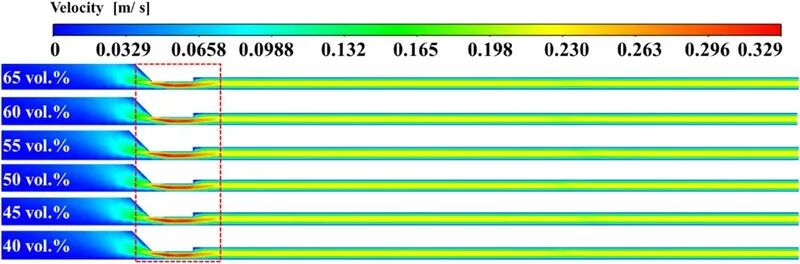 CoreRESEARCH / 2026
Process engineering
The connection between formulation, recoating and binder burnout explains why a clean green part may crack later.
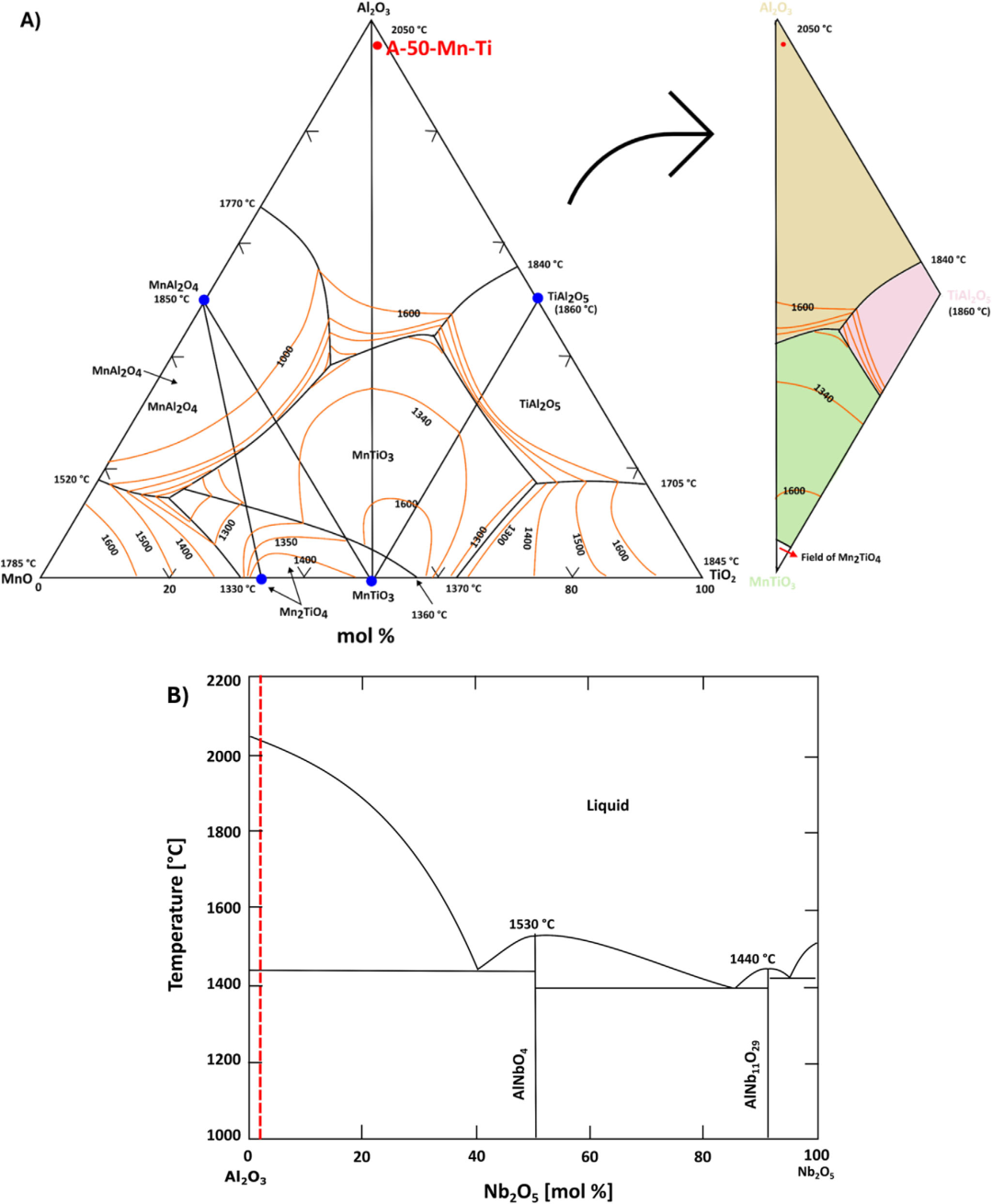 Al₂O₃RESEARCH / 2026
Materials research
Comparing oxide additives shows how liquid-phase sintering and grain-boundary processes alter interlayer bonding and strength.
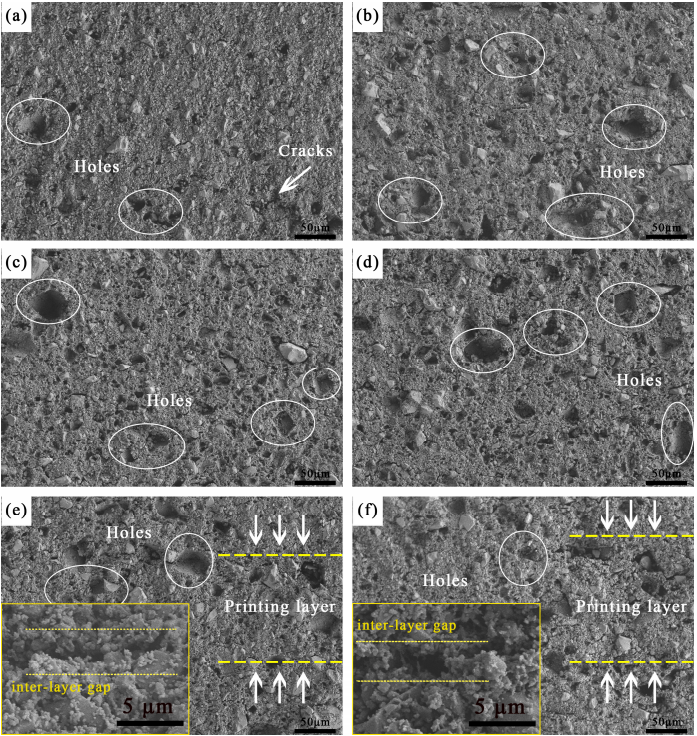 nano-Al₂O₃RESEARCH / 2026
Materials research
A nano-additive is studied as a route to modify microstructure and creep resistance in a silica-based ceramic core.
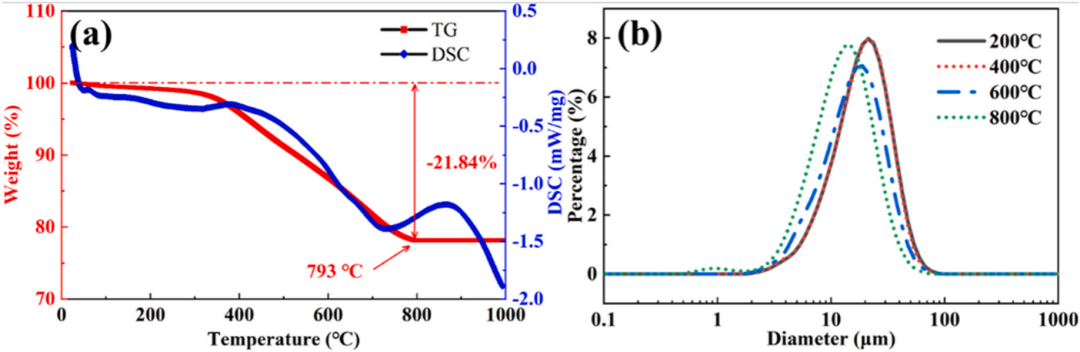 SiCNRESEARCH / 2026
Materials research
An emulsion-to-pyrolysis route links microsphere size, shrinkage and strength; biocompatibility claims remain research-stage.